Newtec Power Equipment Co., Ltd.
English


Views: 0 Author: Site Editor Publish Time: 2025-12-31 Origin: Site
Power Generator selection becomes critical when a blackout turns your home quiet and dark. What size generator would run a house is not just a technical question, it is a comfort and safety decision. Every home uses electricity differently, and generator sizing depends on appliances, habits, and backup goals. In this guide, we break down how to choose the right home power generator, explain wattage clearly, and help you avoid costly mistakes, so your backup power works when you need it most.
Choosing the correct generator size directly affects how well a home backup system works during a power outage. It influences safety, power stability, fuel efficiency, and how long the generator will operate reliably. When the size does not match household demand, performance issues appear quickly and often create avoidable risks.
A generator that is too small cannot support normal household electrical loads. It struggles when several appliances start at once, especially equipment with electric motors. Lights may dim, refrigerators may cycle repeatedly, and essential systems may fail to start. Homeowners often end up manually rotating appliances, which reduces comfort and increases the chance of accidental overload during longer outages.
Overloading happens when total power demand exceeds a Power Generator’s rated output, creating voltage instability and excessive heat inside the unit and connected wiring. Motors may overheat, circuit breakers can trip, and electronic devices often suffer long-term damage from unstable voltage. Sensitive equipment such as computers, routers, and appliance control boards are especially vulnerable, as they rely on a Power Generator to deliver clean, consistent electricity for safe operation.
Common overload-related risks include:
Voltage drops that damage electronics
Overheated motors and wiring
Frequent breaker trips and shutdowns
Reduced generator service life
Oversizing a generator may seem safer, but it often leads to higher costs and inefficient operation. Large generators run poorly at low load levels, wasting fuel and increasing engine wear. They also cost more upfront and tend to be louder during operation, which may be a concern in residential areas.
| Oversizing Issue | Practical Impact |
|---|---|
| Higher purchase price | Larger systems require more investment |
| Fuel inefficiency | Low-load operation burns fuel inefficiently |
| Increased noise | Bigger engines generate more sound |
| Extra maintenance | Carbon buildup shortens service intervals |
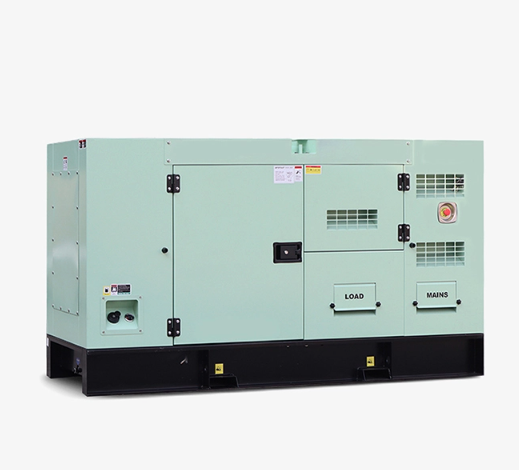
The core issue is not generator branding or advertised wattage. It is how much electricity the home actually demands at any given moment. Appliances do not draw power evenly, and some of them need extra energy when they start. We also need to think about overlap. A refrigerator cycling on while an air conditioner starts can create short power spikes. If the generator cannot handle those moments, problems appear quickly.
Two houses of the same size can require very different generator capacities. One may rely on gas heating and cooktops, while the other uses electric systems for almost everything. Their real power needs are not comparable. Lifestyle choices matter just as much. Some households limit usage during outages, while others expect normal comfort. Because of these differences, generator size must match real behavior, not assumptions.
Daily habits shape electrical demand more than people realize. Running fewer appliances at the same time keeps generator requirements lower. Running many convenience devices together pushes capacity upward.
Here is how usage patterns typically affect sizing:
| Lifestyle Pattern | Impact on Generator Size |
|---|---|
| Emergency-only usage | Lower wattage acceptable |
| Comfort-focused living | Moderate to high output needed |
| Work-from-home setup | Stable continuous power required |
| All-electric appliances | Larger generator unavoidable |
It is not about owning many appliances. It is about how often they run together and how long they stay on.
Before asking what size generator would run a house, we need to decide what actually needs power. During an outage, most homes do not run everything. They focus on priority loads, then add comfort items if capacity allows. This first step sets realistic expectations and prevents overload issues later.
Essential appliances keep the house functional and safe. They protect food, provide basic lighting, and support communication. Most homes start here when planning generator size.
Must-have appliances usually include:
Refrigerator and freezer, keeping food from spoiling over long outages
Basic lighting, allowing safe movement at night
Heating systems or furnace blowers, especially in cold climates
WiFi routers and modems, supporting communication and remote work
Comfort appliances improve daily life but are not critical. They draw extra power, so we often run them selectively during outages.
High-demand appliances often include:
Air conditioners, especially central systems
Electric water heaters, drawing continuous high wattage
Electric dryers, combining heat and motor load
Separating appliances by priority helps us match generator size to real needs.
During outages, households tend to rely on a predictable group of appliances. Knowing their typical power usage helps us estimate total load without guesswork. Starting wattage matters just as much as running wattage, especially for motor-driven equipment.
| Appliance | Typical Running Watts | Startup Behavior |
|---|---|---|
| Refrigerator | 150–600 | Short surge at startup |
| Freezer | 200–700 | Moderate surge |
| LED lighting | 10–60 per bulb | No surge |
| WiFi router | 10–30 | Constant draw |
| Microwave | 600–1200 | No surge |
| Air conditioner | 800–3500 | High surge |
| Electric water heater | 3000–4500 | Continuous load |
Prioritization becomes critical for portable generators. They have limited output and fuel capacity, so running fewer appliances at the same time extends runtime and improves reliability. By choosing what stays on and what stays off, we control generator stress and avoid unexpected shutdowns. This step turns generator sizing from guesswork into a structured decision.
When we ask what size generator would run a house, watts decide everything for a Power Generator. Appliances never draw electricity in a constant pattern. They use one level to stay running, then a higher burst to begin motion. Knowing this difference helps a Power Generator stay stable instead of struggling during outages.
Running watts describe the steady power an appliance needs during normal operation. Once it turns on and settles, it keeps pulling this amount continuously. Lights, routers, TVs, and computers usually stay close to their listed running watt values, making them predictable loads for a Power Generator.
For example, a refrigerator may run for hours at a modest watt level after startup. The Power Generator handles this load smoothly once the initial surge passes. We always count running watts first, then plan extra capacity around them.
Starting watts describe the extra power needed during the first few seconds of operation. Motor-driven appliances need this short surge to overcome resistance and begin spinning. It lasts briefly, but it hits hard.
Common appliances using surge watts include:
Refrigerators and freezers
Air conditioners and heat pumps
Sump pumps and well pumps
A fridge may run at 200 watts, then spike above 1000 watts for startup. They all behave this way. Ignoring surge demand leads to frequent problems.
Generators must handle the highest surge, not just the average load. If surge demand exceeds capacity, the generator struggles immediately. Breakers trip, engines stall, or voltage drops suddenly.
Here is a simple comparison:
| Appliance | Running Watts | Starting Watts |
|---|---|---|
| Refrigerator | 200–600 | 1000–1800 |
| Window AC | 900–1500 | 2000–3500 |
| Sump Pump | 800–1200 | 2000–3000 |
We size generators around the largest surge, then add running loads. This approach prevents shutdowns and protects sensitive electronics. It also keeps the generator operating smoothly, instead of fighting constant overload stress.
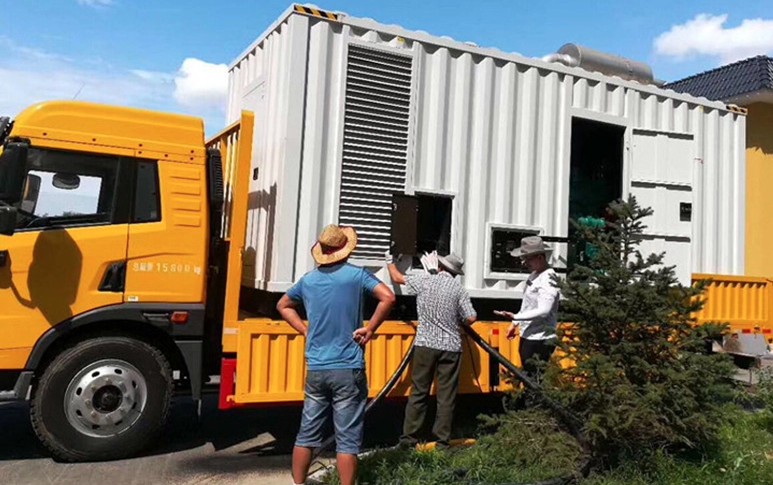
When deciding what size generator would run a house, appliance wattage acts as the baseline. Each device pulls power differently, especially during startup. We use estimated ranges since real usage varies by model and age.
The table below shows typical power demand for appliances people run during outages. It helps us plan loads and avoid surprises once the generator starts.
| Appliance | Starting Watts (Approx.) | Running Watts (Approx.) |
|---|---|---|
| Refrigerator / Freezer | 1000–1800 | 150–600 |
| Microwave Oven | 1200–1500 | 700–1200 |
| Electric Kettle | 1500–2000 | 1500–2000 |
| Washing Machine | 1200–2000 | 500–1000 |
| Dishwasher | 1000–1500 | 300–1500 |
| Window Air Conditioner | 2000–3500 | 800–1500 |
| Central Air Conditioner | 4000–7000+ | 3000–5000 |
| Electric Water Heater | 3000–4500 | 3000–4500 |
| LED Lighting (per bulb) | 10–20 | 10–15 |
| Incandescent Lighting | 60–100 | 60–100 |
| TV, Router, Chargers | 100–300 | 50–300 |
We focus first on appliances people truly need during outages. Refrigeration, lighting, internet access often come first. Comfort items come later, depending on generator capacity. Portable generators benefit most from prioritization. They struggle when too many high-surge devices start together. Planning startup order reduces stress and keeps power stable.
Electronics use low wattage but need clean, steady output. Even small spikes matter. Knowing their demand helps us choose safer generator sizing and output types.
To answer what size generator would run a house, we need simple math, not guesswork. Load calculation shows how much power the generator must handle during an outage. We focus on real usage, not every appliance in the house.
We start by listing appliances people plan to run at the same time. Not everything needs power together. Priorities keep the number realistic. Next, we add the running watts for all selected appliances. This forms the steady load the generator supports once everything runs normally. Then, we add the highest starting wattage from one appliance. Motors start one at a time, not all together. This surge defines minimum generator capacity.
| Appliance | Running Watts | Starting Watts |
|---|---|---|
| Refrigerator | 400 | 1200 |
| Lights (LED) | 150 | 150 |
| WiFi Router | 50 | 50 |
| Window AC | 1200 | 3000 |
Total running watts: 1,800
Highest starting watts: 3,000
Minimum generator size needed: about 4,800 watts
Smart usage lowers generator size requirements. It also protects equipment from overload.
Stagger appliance startup, especially motors and heaters
Turn off heavy loads when starting large devices
Avoid running water heaters and air conditioners together
Load management gives flexibility. We rely on timing instead of oversized equipment. It keeps power stable and reduces fuel use during long outages.
It depends on how many appliances you plan to run at the same time and their wattage. Most homes need between 5,000 and 10,000 watts for essential backup power, while whole-house systems often require more.
In most cases, it cannot run everything at once. Portable generators work best for essential circuits like refrigeration, lighting, and internet, if loads are managed carefully.
Signs include dimming lights, tripped breakers, appliances failing to start, or the generator stalling under load. These usually indicate surge demand exceeding capacity.
Yes, starting watts are critical because many appliances need extra power at startup. Ignoring them often causes overloads and shutdowns.
Not always. Oversized generators cost more, waste fuel at low loads, and may wear faster. Proper sizing offers better efficiency and reliability.
Choosing the right generator size is about understanding how your home actually uses power during an outage. By identifying priority appliances, accounting for running and starting watts, and managing loads wisely, you gain control over safety, comfort, and efficiency. The goal is steady, reliable power without overspending or risking equipment damage.
At Newtec Power Equipment Co., Ltd., we help homeowners and businesses match real power needs to dependable generator solutions. Our team focuses on practical sizing, reliable performance, and long-term value, so your backup power plan works when it matters most.


