Newtec Power Equipment Co., Ltd.
English


Views: 0 Author: Site Editor Publish Time: 2026-07-14 Origin: Site
Auxiliary power failures at sea are not just inconveniences. They compromise navigation, disable safety systems, and halt essential vessel operations. Emissions regulations continue to tighten globally. Modern onboard electrical loads constantly increase as well. Vessels now run complex hydraulics alongside heavy-duty HVAC systems. Selecting the right auxiliary power unit requires precise load matching. You must prioritize long-term reliability over quick hardware fixes.
This article provides an objective, engineering-focused guide. We will explore how to evaluate and size a system properly. You will learn implementation strategies for both commercial and recreational setups. Our goal is ensuring your equipment runs flawlessly under demanding marine conditions. You will discover how to match specific technical specifications directly to your unique operational requirements.
Right-Sizing is Critical: Over-sizing a marine diesel generator leads to "wet stacking" and premature engine wear; exact load profiling is mandatory.
Compliance Dictates Selection: EPA Tier 3 and IMO Tier II/III emissions standards will immediately narrow down your viable genset models.
Application Variations: Cummins Onan units serve recreational/light-duty needs, while C-Series and Q-Series cater to continuous-duty offshore generator requirements.
Operators cannot afford equipment failure miles off the coast. Stranding a vessel due to parts shortages presents severe operational risks. You need robust vessel auxiliary power. Cummins excels through its extensive global service network. Mechanics worldwide recognize these engine blocks immediately. You can source replacement parts in nearly any major port. This accessibility minimizes costly operational downtime.
Durability requires examining the underlying block architecture. Heavy cast-iron blocks characterize premium marine models. They turn at lower rotational speeds. Slower speeds drastically reduce internal engine friction. You do sacrifice some potential weight savings. High-RPM lightweight alternatives fit easily into small spaces. However, they typically wear out much faster. Cast-iron blocks handle continuous thermal cycles better. They offer superior longevity for serious marine applications.
Predictable maintenance dynamics keep operational planning stable. Standardized service intervals apply across the entire product lineup. Diagnostic tools remain largely non-proprietary. You do not need expensive, brand-locked software to read basic engine fault codes. Independent marine mechanics can service the equipment easily. This transparency ensures your vessel stays in the water rather than stuck at the dock waiting for specialized technicians.
You must size your marine diesel generator correctly. Chronic under-loading destroys diesel engines quickly. When an engine runs too cool, fuel fails to burn completely. This unburned fuel glazes the cylinder walls. Mechanics call this phenomenon "wet stacking." It causes heavy carbon buildup and premature mechanical failure.
To avoid wet stacking, industry standards dictate running units at 70-80% capacity. Follow this step-by-step logic to calculate your true electrical load:
List all continuous electrical loads on a spreadsheet. Include HVAC units, refrigeration circuits, and primary navigation systems.
Identify your intermittent operational loads. These include watermakers, fuel transfer pumps, and galley appliances.
Determine exact motor starting surges. Air conditioning compressors require massive initial amps to start spinning.
Add your continuous loads to the single highest possible intermittent surge.
Select a unit where this peak calculation represents approximately 80% of its rated capacity.
Environmental compliance strictly limits your hardware choices. You must navigate varying regulations based on your specific operating waters. Failing to install compliant equipment blocks port entry and voids insurance.
Regulatory Standard | Operating Jurisdiction | Key Technical Requirement |
|---|---|---|
EPA Tier 3 | US Domestic Waters | Significant reduction in NOx and particulate matter. Requires advanced internal combustion designs. |
IMO Tier II | Global International Waters | Baseline global standard for ocean-going vessels. Less stringent than US domestic rules. |
IMO Tier III | Emission Control Areas (ECAs) | Mandates drastic NOx cuts. Often requires external Selective Catalytic Reduction (SCR) systems. |
Cooling configurations dictate installation complexity and maintenance schedules. Heat exchanger configurations pump raw seawater into the vessel. The raw water cools internal freshwater loops via a metal core. This setup works exceptionally well in deep, clean oceans. However, floating debris in shallow water easily clogs the raw water intake.
Keel cooled configurations eliminate the raw water intake entirely. A network of metal pipes sits on the outside of the hull. Ocean water rushes past these external pipes to cool the internal fluids. Commercial vessels operating in muddy, debris-filled rivers heavily favor keel cooling. It prevents internal impeller failures and eliminates dangerous raw water blockages inside the engine room.
The Onan series targets luxury yachts and small passenger ferries. It represents an ideal boat generator for noise-sensitive environments. These units feature advanced factory sound shields. They use specialized isolated mounting systems to minimize structural vibration. The compact footprint fits easily beneath tight cabin soles. You will barely hear them running during a quiet overnight anchorage.
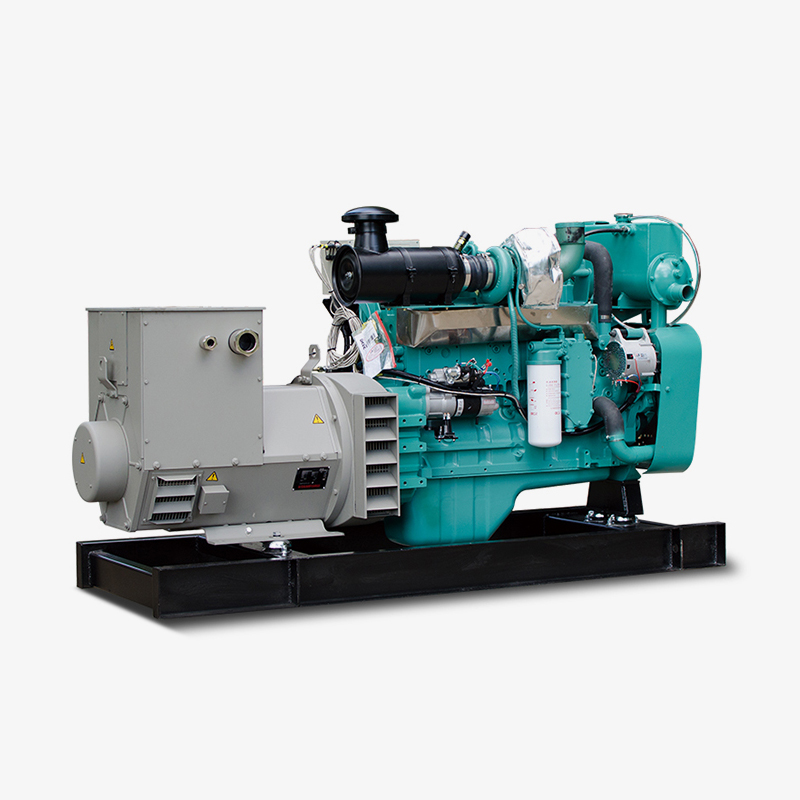
Commercial operators need raw, unfiltered power. The Q-Series and C-Series cater strictly to fishing vessels and heavy tugs. They provide highly reliable offshore generator performance. These units feature unshielded, open serviceability. Mechanics can access all vital components instantly. They often include front-facing Power Take-Offs (PTOs). These PTOs drive massive hydraulic systems for winches and deck cranes. The high-torque block design runs flawlessly during continuous, punishing duty cycles.
Feature Category | Onan Series | Q-Series / C-Series |
|---|---|---|
Primary Application | Recreational yachts, catamarans, light ferries | Commercial fishing, tugs, heavy cargo |
Acoustic Treatment | Full sound enclosure standard | Open block design for rapid service |
Power Take-Off (PTO) | Rarely equipped | Standard front-facing PTO capabilities |
Retrofitting an older vessel presents severe spatial constraints. You must measure the physical footprint carefully. However, footprint alone means absolutely nothing without service clearances. Mechanics need physical space to work around the machine. Raw water impellers require side access for extraction. Oil filters need downward drop clearance to avoid spilling. Dipsticks must remain reachable from the central walkway. Failing to plan for these service clearances guarantees future maintenance nightmares.
Improper exhaust routing creates dangerous backpressure. Wet exhaust systems inject raw water into the outgoing gas. This cools the exhaust safely but requires careful mixing elbow angles. Water must never flow backward into the engine cylinders. Dry exhaust systems run extremely hot. You must wrap them in heavy thermal insulation. They route straight up through a dedicated thermal stack.
You must also isolate the engine from the hull effectively. Hard-mounting a generator transfers intense mechanical vibrations directly into the vessel structure. This creates an unbearable acoustic resonance inside the cabins. Use high-quality dual-stage isolation mounts.
Modern vessels rely heavily on digital data. Connect your Cummins marine genset directly to the helm. Use standardized NMEA 2000 or J1939 network protocols.
Best practices for digital network integration include:
Route network cables away from high-voltage AC lines to prevent digital signal interference.
Install dedicated digital displays at both the engine room entrance and the main helm.
Set customizable alarms for sudden oil pressure drops and coolant temperature spikes.
Ensure the network gateway accurately translates proprietary engine codes into standard NMEA 2000 sentences.
You should select a Cummins marine generator when global support matters most. The robust block architecture withstands years of abuse. They integrate seamlessly alongside existing Cummins propulsion engines. One mechanic can service both systems simultaneously. You deal with a single, massive warranty provider. This simplifies logistics tremendously for commercial fleet managers.
Sometimes another brand fits better. Northern Lights provides extreme mechanical simplicity. They intentionally strip away excessive electronics. This appeals strongly to remote cruisers fearing complex digital failures. Smaller bespoke brands offer ultra-compact physical footprints. You might need these specifically for extremely tight sailboat refits where every millimeter counts.
Stop guessing your power requirements immediately. Compile a detailed electrical load spreadsheet. Map out a basic vessel wiring schematic. Note the exact available engine room dimensions. Do this before contacting any marine dealer for initial quotes. Solid baseline data prevents costly purchasing mistakes.
The best generator runs consistently within its optimal load range. It must meet all local environmental emissions standards. Sizing errors remain the leading cause of premature engine failure across the industry. Always prioritize physical service access and cooling configurations during the early planning phase.
We strongly emphasize securing professional marine engineering consultation. Experts must verify your final torque calculations. They check footprint constraints and validate cooling system designs. Professional oversight eliminates dangerous blind spots.
Do not rush this critical hardware investment. Download a comprehensive load-calculation worksheet today. Contact a certified marine integration specialist to review your vessel's unique specifications. Taking these steps ensures safe, reliable power for years to come.
A: A properly maintained commercial unit can easily exceed 20,000 hours. Recreational units typically run 10,000 hours. Strict adherence to oil changes, cooling system maintenance, and proper load management directly dictates longevity.
A: Wet stacking occurs when an engine operates under light loads. Low cylinder temperatures prevent fuel from burning completely. This unburned fuel mixes with soot to form a thick, black sludge. It glazes cylinder walls and drastically reduces performance.
A: Yes, models carrying a "prime" power rating are designed for continuous operation. They can run indefinitely at varying loads. "Standby" rated units are only meant for emergency backup and cannot handle continuous primary duty.
A: Yes. Most Onan recreational models feature factory-installed sound shields. These enclosures utilize dense acoustic foam and vibration-isolating mounts. They reduce operational noise to extremely low decibel levels, making them perfect for yachts.