Newtec Power Equipment Co., Ltd.
English


Views: 0 Author: Site Editor Publish Time: 2026-08-12 Origin: Site
Unplanned downtime in industrial facilities creates compounding operational crises. Manufacturing plants, data centers, and healthcare providers face severe financial losses during power failures. They also risk strict compliance breaches and compromised site safety. You need a backup power system you can trust completely. Instantaneous load acceptance is absolutely non-negotiable for critical infrastructure. Sustained high-output reliability keeps core operations running smoothly. Verifiable compliance with strict emissions standards ensures legal, safe operation.
This evaluation examines exactly how advanced engineering solves these critical failure points. We will explore key performance metrics, technical capabilities, and essential procurement considerations. You will learn how precise power solutions mitigate sudden risks. We will detail the specific features separating standard commercial units from heavy-duty industrial counterparts. Finally, we provide actionable guidance on selecting the exact right setup for your unique facility.
Standard commercial generators often fail under abrupt block loads. Heavy industrial machinery, HVAC chillers, and dense server racks demand massive initial power spikes. These startup currents easily overwhelm standard commercial alternators. When an under-equipped generator tries to absorb this sudden demand, the engine bogs down. Voltage drops sharply. This voltage sag causes sensitive electronics, programmable logic controllers (PLCs), and variable frequency drives to reset. In an industrial environment, a PLC reset translates to jammed production lines or corrupted data. You must implement robust engineering to prevent these cascading failures.
The seconds between grid failure and generator power synchronization pose massive risks. We call this the vulnerability gap. This brief window represents the highest danger for critical operations. Facilities rely on Uninterruptible Power Supplies (UPS) to bridge this gap. However, battery runtimes are extremely limited. The generator must start, reach rated speed, stabilize its output, and accept the facility load within roughly ten seconds. Any delay extending past this threshold creates catastrophic operational bottlenecks.
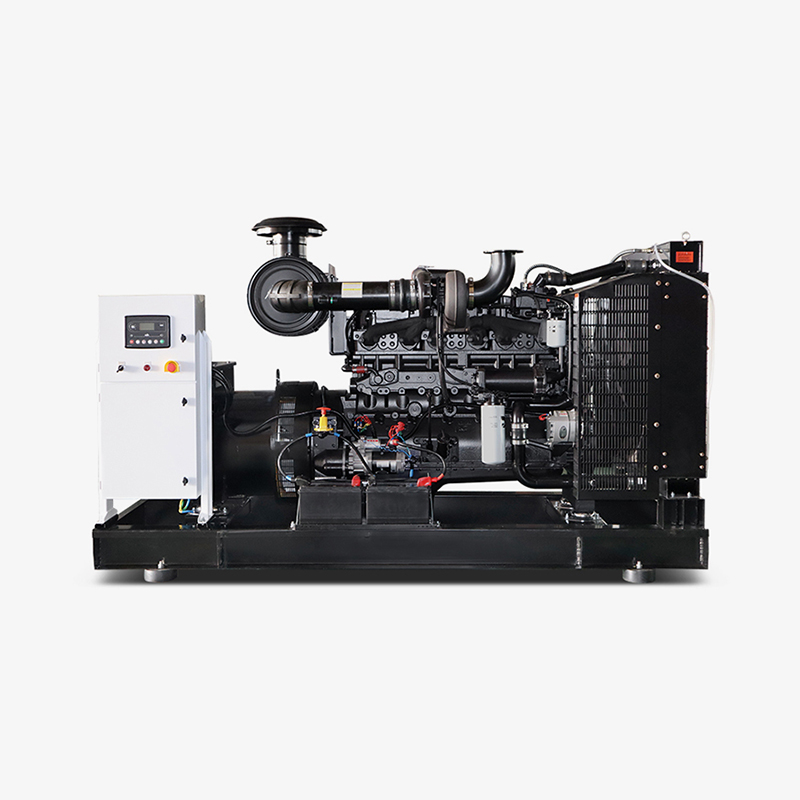
Integration matters immensely when evaluating these systems. The engine, alternator, and control systems come from a single manufacturer under the Cummins umbrella. Their proprietary PowerCommand® system controls every aspect of the power generation process. It ensures synchronized communication between the engine governing system and the alternator voltage regulator. This unified architecture significantly reduces potential points of failure. Third-party control panels frequently struggle to interpret engine fault codes accurately. Unified engineering eliminates this translation error.
A reliable industrial backup Cummins diesel generator guarantees seamless Automatic Transfer Switch (ATS) handover. It must hold stable voltage and frequency under dynamic load shifts. As large motors cycle on and off throughout the day, the generator must react instantly. It must adjust fuel delivery in milliseconds. This dynamic response keeps the power quality pristine. Facility managers can then operate confidently, knowing their backup power behaves exactly like utility power.
Evaluating raw horsepower is never enough. You must translate technical features into operational outcomes. Transient response represents a critical metric. It measures how engines maintain RPMs during sudden load spikes. When a large block load hits, a lower-tier engine physically slows down. A premium engine utilizes advanced turbocharging and precise governing to force air and fuel into the cylinders instantly. This rapid response prevents dangerous voltage dips. It keeps your frequency locked tightly to 60Hz or 50Hz.
Emissions compliance introduces another layer of complexity. Navigating EPA Tier 2 through Tier 4 Final regulations is tricky. Many manufacturers sacrifice power density to meet these strict clean-air rules. They bolt on massive exhaust after-treatment systems. Cummins approaches this differently. They engineer in-cylinder combustion improvements. They integrate Selective Catalytic Reduction (SCR) and Diesel Particulate Filters (DPF) seamlessly. You achieve stringent environmental compliance without giving up crucial power density.
Stamford and AvK alternators pair seamlessly alongside heavy-duty diesel engines. This synergy is a massive advantage. These alternators feature advanced winding designs and permanent magnet excitation systems. They offer exceptional motor-starting capabilities. When a massive industrial load hits the alternator, the permanent magnet generator provides independent power to the voltage regulator. The magnetic field stays strong. The voltage remains stable. Examining these Cummins diesel generator specifications helps engineers match exact operational needs with the right physical hardware.
Fuel system efficiency plays a massive role during extended grid outages. High-pressure common-rail (HPCR) fuel systems optimize combustion entirely. They pressurize the diesel fuel immensely before injecting it into the cylinder. This creates a fine mist. The mist burns cleaner and hotter. It extracts maximum kinetic energy from every single drop of diesel. This directly reduces fuel consumption. During a multi-day blackout, fuel conservation determines your operational survival.
| Performance Category | Standard Commercial Generators | Cummins Industrial Engineering |
|---|---|---|
| Transient Response | Slow recovery; noticeable voltage sags during motor starts. | Instantaneous fuel delivery; tightly regulated voltage and frequency. |
| Alternator Excitation | Shunt-excited; vulnerable to magnetic field collapse under heavy loads. | Permanent Magnet Generator (PMG); sustains short-circuit currents safely. |
| Fuel Delivery System | Mechanical or low-pressure injection; higher fuel consumption. | High-Pressure Common-Rail (HPCR); precise atomization and efficiency. |
| Control Architecture | Fragmented systems from multiple third-party vendors. | Unified PowerCommand® integration; single-source diagnostics. |
Not all industrial footprints accommodate off-the-shelf enclosures. Space constraints dictate creative solutions. Environmental rules demand specific configurations. Standard dimensions rarely fit perfectly into existing urban utility yards. You need flexibility. A facility might sit on uneven terrain. It might require rooftop installation. These complex site realities demand specialized engineering.
Customization options provide immense flexibility. You can tailor the physical footprint and operational characteristics precisely. Consider these common adaptations:
A custom Cummins diesel generator matches these unique site realities perfectly. You never have to compromise your facility layout to accommodate rigid equipment constraints.
Paralleling capabilities offer unparalleled operational security. PowerCommand® controls easily parallel multiple smaller generator sets. You synchronize two or more units to a common bus. This provides excellent scalability as facility loads grow over time. If you expand your manufacturing wing, you simply add another generator to the paralleled system. It also offers vital N+1 redundancy. If a facility requires 2000kW to run, you might install three 1000kW generators. If one unit fails or undergoes routine service, the other two continue carrying the entire critical load seamlessly.
Premium equipment delivers substantial operational advantages over its lifecycle. It handles grueling conditions effortlessly. You want machinery designed for absolute worst-case scenarios. Heavy-duty construction ensures the system survives prolonged emergency use. During regional natural disasters, utility power might vanish for weeks. Your backup system suddenly becomes your prime power source. It must endure this stress.
Lower fuel consumption occurs under both partial and full loads. Advanced combustion design ensures this efficiency. Cast-iron engine blocks provide extended service intervals. They handle extreme thermal stress without warping. Heavy-duty internal components resist wear far better than lighter commercial alternatives. You experience fewer mechanical breakdowns. You replace fewer critical engine components over a twenty-year operational lifespan.
Equipment reliability depends entirely on strict maintenance schedules. You cannot neglect industrial machinery and expect emergency performance. You must perform regular fluid sampling. Analyzing oil and coolant reveals hidden internal wear before catastrophic failure occurs. Load bank testing remains crucial. Running the generator at full load prevents wet stacking. Wet stacking happens when unburned fuel accumulates in the exhaust system due to light-loading. Battery checks prevent sudden start failures. Dead starting batteries remain the number one cause of backup power failures globally.
Choosing a universally supported brand brings massive long-term advantages. You eliminate proprietary lock-in risks entirely. Some niche brands force you to use their extremely expensive local technicians. A globally backed Cummins diesel generator guarantees steady aftermarket support. Independent service companies understand these engines perfectly. You ensure rapid access to replacement parts during regional crises. Filters, belts, and sensors sit stocked in warehouses worldwide. You never wait weeks for a proprietary component to ship from overseas while your facility sits vulnerable.
The best machinery fails if implemented poorly. Sizing mistakes represent a major implementation risk. An undersized generator chokes under facility loads. An oversized generator suffers from severe wet stacking. Improper exhaust routing causes deadly backpressure. This ruins the engine quickly. Incorrect integration into facility switchgear creates catastrophic electrical bottlenecks. You need flawless execution from procurement to final commissioning.
Evaluating a partner requires strict due diligence. You must verify your supplier offers deep engineering support. They must conduct thorough load profiling before making any recommendations. They need to physically audit your site. Assess their specific capabilities carefully. Do they handle local permitting effortlessly? Do they manage complex emissions compliance documentation? Rigging and installation must fall under their direct expertise. An experienced Cummins diesel generator supplier ensures these hazardous phases run smoothly.
A highly competent supplier follows a rigorous methodology during the procurement phase. You should expect them to execute these essential steps:
Move logically from evaluation to procurement. Demand empirical data. Request a comprehensive site load analysis rather than just a basic quote. You are investing in facility survival, not just buying a piece of metal. Ensure your vendor treats the process with appropriate engineering rigor.
Securing an industrial facility requires a deeply analytical approach to backup power. Sizing accuracy dictates whether your system survives the initial load impact. Transient response capabilities determine if your sensitive electronics stay online during the transfer. Operational durability ensures you outlast prolonged utility outages. Vendor competence dictates the safety and legality of your final installation. These metrics form a rigid evaluation framework.
Choose high-tier engineering when sudden downtime threatens massive revenue loss or safety breaches. Standard commercial options cannot absorb heavy industrial abuse. Direct your facility management team to prioritize verifiable performance over initial equipment costs. Partner with an authorized engineering team immediately. Begin your site-specific load analysis today. Protect your critical infrastructure with proven, heavy-duty power solutions.
A: Manufacturing and supply chain timelines vary significantly based on complexity. Standard stock units often arrive within a few weeks. However, highly customized builds requiring specific sound attenuation, specialized fuel tanks, or complex paralleling switchgear can take 12 to 24 weeks. Always factor these lead times into your facility construction schedules early.
A: Sizing requires understanding the difference between running watts and starting watts. Large motors draw massive inrush current when starting. You must accommodate this peak demand, not just the steady-state running load. Never estimate this. Hire a professional engineer or certified supplier to conduct a comprehensive facility load study.
A: Standby power is rated strictly for emergency backup during utility grid failures. It runs for limited annual hours. Prime power runs for extended durations, acting as the primary power source for off-grid sites. Continuous power provides a constant base load without interruption for utility-style applications. Procurement errors here void warranties.
A: Industry standards require annual load bank testing. This process connects the generator to an artificial electrical load, running it at maximum rated capacity for several hours. It burns off accumulated carbon, prevents wet stacking, verifies cooling system integrity, and ensures the machine performs perfectly when a real emergency strikes.