Newtec Power Equipment Co., Ltd.
English


Views: 0 Author: Site Editor Publish Time: 2026-08-21 Origin: Site
Receiving a non-compliant or damaged power system disrupts project timelines immediately. This happens frequently when logistics involve high freight costs. It also occurs when you ship equipment to hard-to-reach geographic locations. Every delayed day burns through project budgets. Pre-shipment inspection acts as a non-negotiable risk mitigation protocol. It bridges the critical gap between promised manufacturing standards and actual site-ready performance. Relying solely on a vendor promise leaves you highly exposed to sudden operational failures. A rigorous, evidence-based inspection workflow ensures the equipment strictly matches the purchase order. It verifies the machinery operates safely under full load conditions. You will also learn how proper transit preparation protects your expensive asset during international shipping. We outline specific phases you should implement before authorizing any final factory release.
Accepting unverified equipment introduces severe financial vulnerabilities. Receiving a DOA (Dead on Arrival) unit creates immediate operational gridlock. Manufacturers may replace faulty parts under warranty. However, they rarely compensate for lost project time. The sheer cost of reverse logistics often eclipses the value of the components themselves. You must catch manufacturing defects while the unit remains on the factory floor.
Deployment realities magnify these risks significantly. Deploying a remote sites industrial diesel genset demands absolute reliability. On-site repairs often prove logistically impossible in isolated areas. Specialized technicians cannot easily reach offshore platforms or mining camps. Spare parts take weeks to arrive through complex supply chains. Pre-shipment verification eliminates these catastrophic deployment surprises.
Establishing clear acceptance criteria also shifts the quality assurance burden. It pushes accountability back to the manufacturer. You maintain maximum leverage before releasing the final payment. Vendors pay closer attention to detail when they face strict inspection protocols. This dynamic transforms a standard purchase into a highly controlled procurement process.
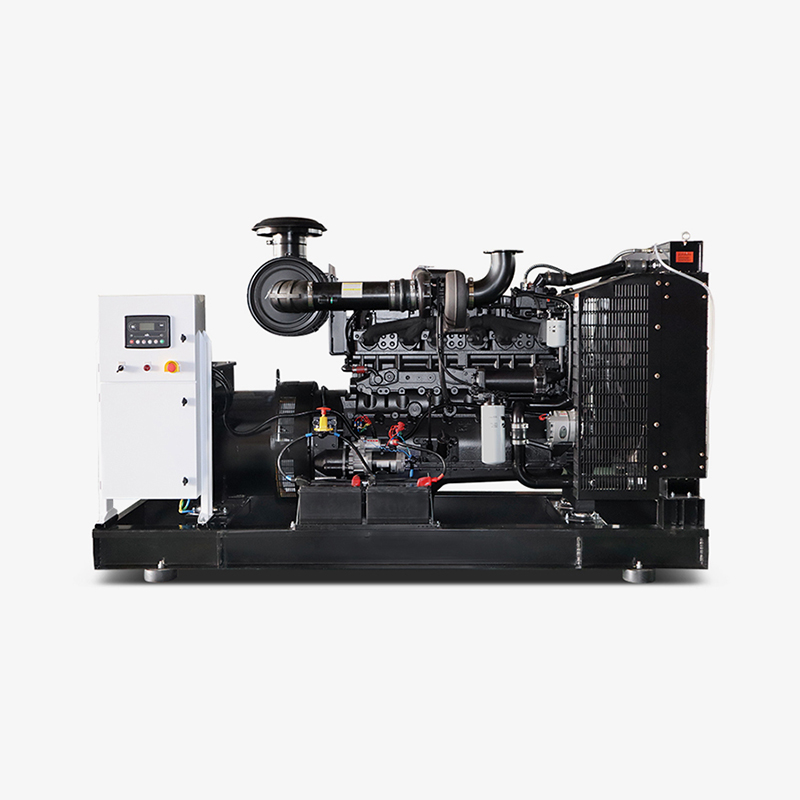
Physical inspections reveal the underlying manufacturing quality. Begin by examining the exterior enclosure and the primary skid base. Inspectors must look for robust weld quality across all load-bearing joints. Check thoroughly for the absence of micro-cracks. Ensure complete structural alignment between the engine block and the alternator frame. Misalignment causes severe vibration issues during continuous operation.
Corrosion protection dictates the lifespan of the machine. You must verify powder coating thickness using a digital gauge. Compare the weatherproofing standards against your environmental requirements. Harsh climates demand strict adherence to IP65, IP67, or equivalent NEMA ratings. Salt spray ruins inadequately painted enclosures within months.
Fluid containment systems require zero-leak tolerances. Inspect the entire perimeter around the fuel tank. Examine the oil pan seals. Trace the coolant lines from the radiator to the engine block. Even a minor weeping seal indicates poor assembly quality.
Finally, review all customized components. Compare physical modifications against your custom industrial diesel genset blueprints. Focus on these common customization failures:
Surface checks mean little if the internal components do not match the contract. Component authentication serves as your first line of defense against substitution. Cross-reference the engine serial numbers. Check the alternator nameplates directly against the procurement contract. Counterfeit or downgraded components appear frequently in unregulated markets.
Follow these numbered steps to validate the mechanical and electrical integrity:
Wiring quality reflects overall factory discipline. Inspect the internal cabinets for organized wiring harnesses. Every cable requires clear, durable labeling. Unlabeled wires create nightmares for future maintenance teams. You must also verify insulation resistance. Require Megger testing on the alternator windings. This testing prevents catastrophic electrical faults caused by compromised insulation.
Static checks miss fundamental operational flaws. Dynamic testing uncovers hidden cooling system inefficiencies. It reveals engine performance issues invisible during idle operation. An engine might idle perfectly but overheat completely under a 75% load. Mandatory load bank testing provides the ultimate proof of capability.
Demand a comprehensive step-load test. Progress systematically through 25%, 50%, 75%, 100%, and 110% overload conditions. This strict escalation ensures the unit meets exact industrial diesel genset specifications. Never accept a simple 10-minute full-load test. Extended testing proves the radiator can handle sustained thermal output.
Data collection during this phase is critical. Monitor voltage stability as loads change. Measure the frequency recovery time during sudden load variations. Track exhaust temperatures to ensure safe combustion cycles. A well-tuned engine stabilizes rapidly after a sudden load impact.
Never authorize a shipment without reviewing the official deliverable. You need a signed, time-stamped load bank test report. The data should look similar to the standardized matrix below.
Dynamic Step-Load Acceptance Matrix
| Load Step | Duration | Voltage Tolerance | Frequency Recovery | Thermal Stability Target |
|---|---|---|---|---|
| 25% Load | 15 Minutes | ± 1% | < 3 Seconds | Stable Baseline |
| 50% Load | 15 Minutes | ± 1% | < 3 Seconds | Normal Operating Range |
| 75% Load | 30 Minutes | ± 1% | < 3 Seconds | Optimal Efficiency |
| 100% Load | 60 Minutes | ± 2% | < 5 Seconds | Maximum Safe Temp |
| 110% Overload | 60 Minutes | ± 5% | < 7 Seconds | Peak Thermal Limit |
Missing paperwork causes immediate customs clearance delays. Conduct a thorough paperwork audit before the equipment leaves the floor. Ensure the package includes comprehensive O&M (Operations and Maintenance) manuals. Verify the inclusion of original warranty certificates. Check for valid emissions compliance documents. Regulations like EPA Tier 4 or EU Stage V require precise physical certificates.
Export packaging prevents transit damage. Verify the factory uses heavy-duty shrink wrap around the entire enclosure. Ensure they place industrial desiccant packs inside the control panels. Moisture control prevents circuit board corrosion during humid ocean freight. Inspect the shock-absorbing mounts. They isolate the engine from the skid during heavy crane movements.
Lifting and rigging components require special attention. Confirm the presence of designated lifting eyes. Check the integrity of structural forklift pockets. Proper lifting points prevent stevedores from crushing the enclosure. These elements protect the entire industrial diesel genset during chaotic port handling procedures. A perfectly built machine becomes scrap metal if dropped off a loading dock.
Modern procurement offers multiple evaluation lenses. Deciding how to inspect depends on your budget and risk tolerance. You might send an independent third-party surveyor for maximum objectivity. Alternatively, you can utilize live video walk-throughs, commonly known as Factory Acceptance Testing (FAT). Sometimes you can safely rely on a trusted industrial diesel genset supplier providing their own internal QA video.
Handling red flags requires a strict protocol. Never accept a machine based on a promise to fix it later. Establish rules for conditional acceptance. If specifications fail, dictate strict remediation timelines. Refuse partial compliance. The factory must resolve all issues before you release the equipment to the freight forwarder.
Final sign-off marks the transition from factory release to logistical handover. Once you sign the acceptance certificate, the manufacturer considers their primary job complete. Make sure you hold all test reports, QA photos, and shipping documents. You now possess the evidence needed to challenge any future warranty disputes.
Pre-shipment inspection operates as an active procurement defense strategy. It is not just a passive procedural checklist. By enforcing rigorous testing, you protect your operational timelines and project budgets. Catching a single structural flaw at the factory prevents catastrophic failures in the field.
Take these action-oriented next steps for your upcoming orders:
A: Typically, the buyer absorbs third-party surveyor costs for independent validation, while standard factory testing costs should be baked into the supplier's quote.
A: High-definition live video FATs are standard practice today, provided they include real-time views of the load bank gauges and continuous, unedited footage of the engine running.
A: The shipment must be halted. The supplier is obligated to troubleshoot, replace faulty components, and run a completely new load test at their expense before requesting sign-off.