Newtec Power Equipment Co., Ltd.
English


Views: 0 Author: Site Editor Publish Time: 2026-07-20 Origin: Site
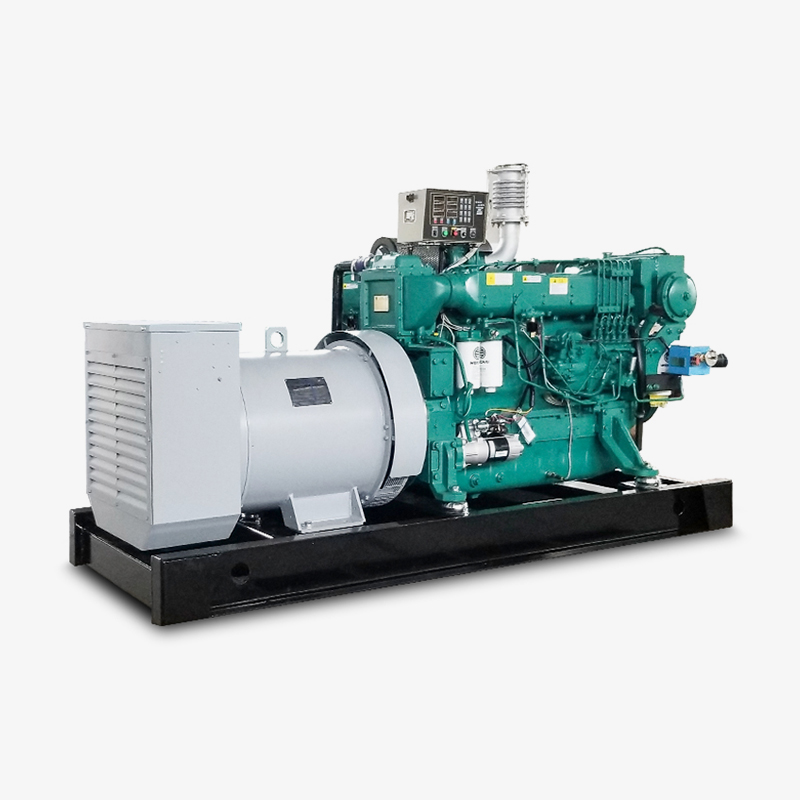
Operating in deep-sea fishing, towing, or offshore support means battling unpredictable, harsh marine environments. Uninterrupted power is not a luxury. It is a strict survival requirement. If your auxiliary power fails, you lose navigation, refrigeration, and propulsion control. Fleet operators historically relied on expensive legacy Western brands for this critical task. However, the market has completely shifted. We introduce the Weichai marine generator as a highly pragmatic, cost-effective alternative. It disrupts traditional procurement habits. You no longer need to overpay for reliable offshore energy. This guide evaluates its technical viability for demanding commercial fleets. We will explore specific sizing parameters and detail practical maintenance realities. Commercial fleet operators need clear facts to make profitable decisions. By the end, you will understand exactly how this equipment performs under pressure. You will learn sizing rules and operational costs to optimize your fleet effectively.
Cost-to-Performance: Weichai diesel generators offer a lower upfront capital expenditure (CapEx) with competitive fuel consumption rates for commercial applications.
Optimal Sizing: Configurations range from compact 20kW units for coastal fishing boats to heavy-duty WP6/WP10 platforms for larger workboats.
Reliability: Built for continuous operation (COP) under high-load, high-humidity conditions, but requires strict adherence to OEM maintenance schedules.
Parts & Servicing: Global aftermarket support has matured, making spare parts accessible and reducing vessel downtime.
Commercial workboats and fishing fleets operate on razor-thin financial margins. Fuel costs consume massive portions of daily operating budgets. Unexpected downtime destroys monthly profit targets instantly. High initial capital expenditures for auxiliary power drastically limit your financial flexibility. Fleet managers face immense pressure to optimize spending. You must balance reliable power generation against strict budget limits. Excessive initial costs directly hurt your bottom line. Consequently, operators actively seek dependable alternatives to premium-priced legacy equipment.
The financial argument heavily favors affordable acquisition. You pay significantly less upfront for these units. We must compare this lower initial acquisition cost against long-term operational expenditure (OpEx). Fuel burn rates matter deeply in this calculation. Operating consistently at 75% to 100% load demands high fuel efficiency. These engines deliver highly competitive fuel consumption metrics. You save money during the initial purchase. You maintain sustainable fuel costs daily. This dual benefit protects your overall profitability.
Durability stands out in notoriously harsh sea conditions. Saltwater corrosion aggressively degrades weak engine components. Poor fuel quality ruins highly sensitive injection components. Manufacturers address these issues through rugged engineering. They utilize heavy-duty cast-iron engine block construction. Many models feature robust mechanical fuel injection systems where emissions regulations permit. Mechanical systems resist contaminated diesel exceptionally well. They handle offshore reality better than delicate electronics. They keep running when fuel supplies contain water or debris.
Environmental compliance remains mandatory across global waters. Fleet managers must meet strict maritime regulations. You can easily source models meeting IMO Tier II and Tier III emissions standards. These engines carry vital classification society approvals. Certifications from bodies like CCS, BV, and ABS are readily available. These endorsements guarantee structural integrity and safety. They ensure your vessel passes port state controls without frustrating delays.
Picking the exact right size dictates daily efficiency. You face vastly different challenges based on your specific vessel type. Over-sizing wastes fuel rapidly. Under-sizing causes catastrophic equipment failure. You must calculate power needs meticulously.
Engine rooms on coastal vessels typically lack spare space. Compact physical footprints matter heavily during installation. A 20kW fishing boat generator fits into tight hull corners easily. It powers essential operational loads perfectly. Modern navigation systems, deck lighting arrays, and small refrigeration units run smoothly. It handles basic winch operations safely without tripping breakers. These smaller units prioritize steady power delivery over massive surge capacity. They keep your essential coastal operations running day and night.
Tugs, dredgers, and offshore supply vessels need serious industrial power. A robust workboat generator provides dedicated auxiliary energy for intense applications. Transient loads cause massive voltage drops on weak systems. Heavy deck machinery, powerful bow thrusters, and large-scale freezing equipment pull sudden current spikes. The WP6 and WP10 series handle these aggressive spikes efficiently. They recover voltage rapidly. This prevents sensitive electronics from resetting during heavy mechanical operations.
Physical installation requires careful planning. Clearances dictate future maintenance access. If mechanics cannot reach the oil filter, maintenance gets skipped. Poor heat dissipation overheats tight engine rooms quickly. Power Take-Off (PTO) configurations require precise mechanical alignment. You must plan for front-mounted belts and pulleys. You need proper ventilation to supply sufficient combustion air. Proper exhaust routing prevents dangerous backpressure from damaging the engine.
Evaluating overall value requires objective comparisons. How does a Weichai diesel generator match up against established premium brands? We must look beyond just the sticker price.
Look carefully at upfront cost versus operational lifespan. Mean Time Between Overhauls (MTBO) offers a transparent performance metric. Premium brands often promise longer MTBO figures. A legacy brand might reach 20,000 hours before a major overhaul. A budget-friendly alternative might require an overhaul at 15,000 hours. However, the return on investment (ROI) on affordable engines hits much faster. You recover your capital quicker.
Consider these critical steps when evaluating lifespans:
Assess the initial capital expenditure immediately.
Calculate the expected mean time between overhauls.
Compare specific fuel consumption benchmarks across brands.
Factor in local spare parts pricing and availability.
Determine the projected return on investment timeline accurately.
Specific fuel consumption (g/kWh) dictates daily operating costs. You must compare these units against industry benchmarks. They burn diesel efficiently under heavy commercial loads. Their efficiency curves often match or closely trail premium alternatives. Over a standard operating year, the fuel cost variance remains surprisingly narrow.
Every marine genset uses either electronic or mechanical injection. We must discuss this crucial trade-off. Electronic engines deliver optimal fuel economy. They minimize exhaust emissions strictly to meet Tier III standards. However, they rely on complex sensors. Mechanical engines skip these delicate sensors entirely. They are remarkably easier to repair at sea. Your crew does not need specialized diagnostic software to fix mechanical parts. A skilled mechanic with hand tools can restore power quickly. This field-repairability offers immense peace of mind far from port.
Poor installation ruins good equipment. You must anticipate physical risks before commissioning the engine. Proper mitigation protects your crew and extends machinery lifespan.
Heavy diesel engines vibrate violently under load. You must use proper anti-vibration mounts. Solid mounting destroys hulls over time. Upgraded rubber or spring isolators absorb destructive kinetic energy. Furthermore, acoustic enclosures protect crew hearing. Constant mechanical noise induces severe crew fatigue. Quality enclosures trap high-frequency noise. They also maintain structural integrity by dampening resonant frequencies.
Cooling configuration directly impacts reliability. You must evaluate operational waters carefully. Shallow, debris-heavy rivers demand different cooling than deep ocean waters. Review the comparison chart below to understand the core differences.
Cooling System Type | Mechanism | Best Operational Environment | Primary Disadvantage |
|---|---|---|---|
Keel Cooling | Uses external hull-mounted pipes to dissipate heat into the sea. | Shallow waters, muddy rivers, debris-heavy coastal zones. | External pipes are vulnerable to impact damage from submerged logs. |
Heat Exchanger | Pulls raw seawater inside the vessel to cool internal coolant. | Deep ocean waters, clear pelagic zones. | Requires regular cleaning of internal tubes and raw water strainers. |
Marine diesel quality fluctuates wildly across different ports. Bunkering cheap fuel introduces water and abrasive dirt into your tanks. Water destroys high-pressure injectors fast. We strongly recommend installing secondary water separators immediately. Upgrade your primary fuel filters to multi-stage units. Dual-filter manifolds allow you to switch filters while the engine runs. This simple upgrade prevents unexpected offshore shutdowns. It profoundly protects your injection system investment.
A machine only survives if you maintain it properly. Commercial maritime operations punish auxiliary engines relentlessly. You cannot treat maintenance as an afterthought.
Consistent maintenance prevents catastrophic mechanical failures. Detail the standard intervals carefully. Change lubricating oil and filters strictly at OEM-specified intervals. Do not stretch oil life to save pennies. Adjust valve lashes regularly to maintain peak compression. Replace raw water impellers before they turn brittle and disintegrate. Inspect accessory drive belts for cracking weekly. Heat cycles degrade rubber components rapidly. Strict adherence guarantees maximum reliability.
Buyers historically doubted Chinese parts availability. They feared long vessels delays waiting for simple filters. This historical skepticism is largely outdated today. The manufacturer expanded its global distributor network massively. Authorized dealers operate in most major maritime hubs now. Furthermore, commercial parts offer high interchangeability. You can cross-reference many consumable items locally. This accessibility reduces frustrating vessel downtime significantly. You can source vital replacements quickly.
Every professional handling a vessel power supply needs spare parts onboard. Port availability means nothing when you are three hundred miles offshore. Do not leave the dock without a dedicated emergency kit. We recommend keeping the following non-negotiable items secure and dry:
Primary and secondary fuel filter elements.
High-capacity lubricating oil filters.
Spare raw water pump impellers with gaskets.
Complete sets of replacement drive belts.
At least two pre-calibrated fuel injectors.
Complete top-end engine gasket kits.
Replacement starter relays and essential fuses.
Securing reliable auxiliary power does not require bankrupting your operational budget. A properly selected unit serves as a highly viable, commercially sound choice. It delivers the rugged durability required for commercial fishing and heavy towing operations. When sized correctly and maintained rigorously, it rivals legacy brands in day-to-day utility. You gain excellent fuel economy and mechanical simplicity.
Your shortlisting logic should rely on hard numbers. Advise your technical team to calculate exact continuous loads before requesting a quote. Factor in the transient spikes from your specific deck machinery. Do not guess your power requirements. Measure your peak amperage draw accurately.
We highly encourage scheduling technical consultations with authorized marine dealers. Verify your vessel-specific configurations with professional engineers. Confirm your classification society requirements early in the process. Take proactive steps today to secure cost-effective, dependable power for your fleet.
A: A standard 20kW unit running at a 75% load typically consumes around 5 to 6 liters of diesel per hour. However, exact fuel burn rates vary based on your hull dynamics, engine room ventilation, and specific alternator efficiency. Always consult the specific datasheet for precise operational estimates.
A: Yes. Marine applications demand rugged performance, and these series carry continuous power (COP) ratings. Continuous duty means they can run at 100% of their rated load for unlimited hours annually. This differs greatly from standby ratings, which only permit intermittent use during primary power failures.
A: The primary advantage lies in the substantially lower upfront capital expenditure. While premium Western brands may occasionally offer longer intervals between major overhauls, the budget-friendly acquisition cost accelerates your return on investment. Operational expenses, including fuel burn and consumable parts, remain highly competitive across all three brands.
A: Yes. You can parallel advanced electronic models easily. Installing synchronization panels allows multiple units to share the vessel load automatically. This provides critical redundancy; if one unit requires sudden maintenance, the parallel unit sustains essential operations without plunging the vessel into darkness.