Newtec Power Equipment Co., Ltd.
English


Views: 0 Author: Site Editor Publish Time: 2025-10-14 Origin: Site
Choosing the right diesel generator can be daunting with so many options like Cummins, Perkins, and Hyundai. Understanding generator size is crucial for efficiency. In this post, you'll learn about diesel generator capacities, power needs calculation, and why brands like Volvo Penta and Mitsubishi matter.
When choosing a diesel generator, understanding its capacity is crucial. Capacity is often expressed in two units: kilovolt-amperes (kVA) and kilowatts (kW). These terms describe different aspects of power.
kVA (Apparent Power): This measures the total power the generator can deliver, combining both active and reactive power. It represents the generator’s full capacity without considering how efficiently the power is used.
kW (Real Power): This is the actual usable power that runs your equipment. It’s calculated by multiplying kVA by the power factor (PF), which accounts for efficiency losses.
For example, if a generator is rated at 100 kVA and has a power factor of 0.8, it can provide 80 kW of real power. This distinction helps ensure you select a generator that meets your equipment’s actual power needs.
The power factor is a key element when sizing a generator. It reflects how effectively electrical power is converted into useful work output. Most industrial and commercial equipment operates at a power factor around 0.8, meaning 80% of the apparent power is usable.
Why it matters: A low power factor means the generator must supply more apparent power (kVA) to meet the same real power (kW) demand.
Typical power factor: 0.8 (but can vary depending on equipment).
Sizing tip: Always size your generator based on kVA, considering the power factor of your load to avoid under-sizing.
Diesel generators come in a broad range of capacities to suit different applications. Here are typical sizes and their common uses:
| Capacity (kVA) | Capacity (kW) | Typical Applications |
|---|---|---|
| 10 - 30 kVA | 8 - 24 kW | Small homes, offices, light commercial use |
| 30 - 100 kVA | 24 - 80 kW | Medium businesses, retail stores, workshops |
| 100 - 500 kVA | 80 - 400 kW | Large commercial buildings, hospitals, factories |
| 500+ kVA | 400+ kW | Heavy industry, data centers, mining sites |
Choosing the right capacity depends on your total power requirements, including the starting and running wattage of your equipment.
Tip: Always calculate your generator size in kVA, then convert to kW using your equipment’s power factor to ensure accurate capacity matching.
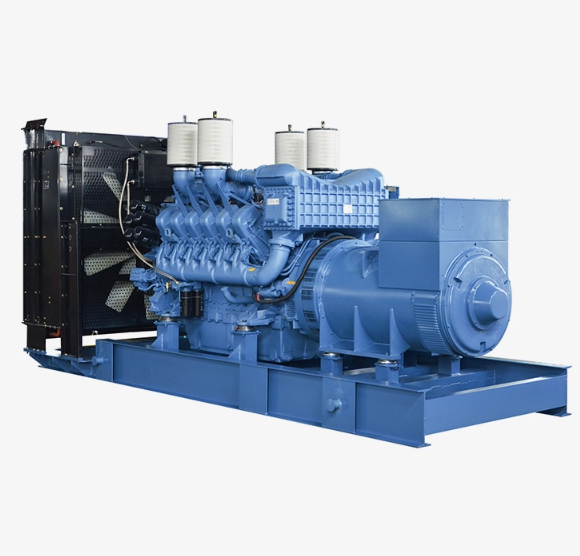
Start by listing every device you want to power. This includes lights, computers, HVAC units, refrigerators, pumps, and any other essential equipment. Check each item's power rating—usually found on a label or in the manual. Write down both running and starting wattages if available.
Running wattage: The power needed to keep the equipment operating.
Starting wattage: The surge power required when the equipment turns on, often higher than running wattage.
For example, a refrigerator might run at 700 watts but require 2100 watts to start. Make sure to note these differences for all motor-driven appliances.
Motors and compressors have higher starting wattage than running wattage. This surge can be two to three times the running power. Failing to account for starting wattage can cause your generator to overload or fail.
Add up all running wattages for continuous load.
Identify the highest starting wattage among your equipment.
Combine total running wattage plus the largest starting wattage to find your peak power requirement.
If multiple motors start simultaneously, consider staggering their startup or apply a diversity factor to avoid oversizing unnecessarily.
Power needs calculators simplify this process. They allow you to enter your equipment list and wattages, then compute the total power requirements, including surge loads.
These tools convert watts to kVA using typical power factors (usually 0.8).
They help ensure you select a generator size that supports both running and starting loads.
Some calculators also factor in future expansion or additional safety margins.
Using a calculator reduces guesswork and improves accuracy, especially for complex setups.
Tip: Always list both running and starting wattages for every appliance before using a power needs calculator to ensure your generator can handle peak loads without risk of overload.
When sizing a diesel generator, understanding your load types is essential. Loads generally fall into two categories:
Resistive Loads: These include devices like heaters, incandescent lighting, and ovens. They draw power consistently and have a power factor close to 1. This means almost all the power supplied is used effectively.
Reactive Loads: Motors, compressors, pumps, and fluorescent lighting fall here. They cause the power factor to drop below 1 due to inductive or capacitive effects. Reactive loads draw extra current without doing useful work, increasing the apparent power demand on your generator.
Since reactive loads require more apparent power (kVA) for the same real power (kW), your generator must be sized accordingly. Ignoring this can lead to undersized generators that overload or fail prematurely.
Planning for future power needs is smart. Your current load might be smaller than what you’ll require in a few years. Consider:
Adding new equipment or appliances.
Expanding your facility or operations.
Upgrading to more power-hungry technology.
Including a margin for growth means you won’t need to replace or upgrade your generator too soon. Typically, adding 10-20% extra capacity beyond your calculated needs helps accommodate future expansion without overspending now.
The physical environment where the generator operates affects its size and performance:
Altitude: Higher altitudes mean thinner air, reducing engine power output. You may need a larger generator or a derating factor to compensate.
Temperature: Hot environments can reduce cooling efficiency, requiring a generator with higher capacity.
Humidity and Dust: Harsh conditions can affect engine longevity and performance. You might need additional protective features or a more robust model.
Site Access and Space: Limited space or difficult access can restrict the size and type of generator you can install.
Taking these environmental factors into account ensures your generator runs efficiently and lasts longer.
When buying a diesel generator, knowing what to look for saves time and money. Here are key features to consider:
Power Capacity: Match the generator capacity to your calculated power needs, including starting wattage surges.
Fuel Efficiency: Look for models designed to use fuel efficiently, lowering operating costs.
Durability and Build Quality: Diesel engines should be rugged, built to endure harsh environments and long operating hours.
Noise Levels: Some generators come with soundproof enclosures, important for residential or noise-sensitive areas.
Control Panel: A user-friendly control panel with automatic start/stop functions and monitoring capabilities is essential.
Warranty and Service: Check warranty terms and availability of local service centers or dealer support.
Compliance: Ensure the generator meets local emission and safety standards.
Buying from a reputable dealer or manufacturer ensures you get a reliable product backed by technical support.
Several brands dominate the diesel generator market, each with strengths:
| Brand | Strengths | Typical Applications |
|---|---|---|
| Cummins | High durability, advanced technology, global service network | Industrial, commercial, heavy-duty |
| Perkins | Fuel-efficient engines, strong after-sales support | Construction, agriculture, commercial |
| Caterpillar | Robust performance, wide range of capacities | Mining, large industrial plants |
| Kohler | Compact designs, quiet operation, reliable | Residential, small to medium commercial |
| Volvo Penta | Advanced emissions controls, fuel efficiency | Marine, industrial, standby power |
Choosing a brand depends on your application, budget, and local service availability. For example, Cummins is excellent for heavy industrial use, while Perkins suits agricultural or construction sites.
A 30kW diesel generator fits small to medium power needs. Here’s when it might be ideal:
Small Businesses: Shops, small offices needing backup for lights, computers, and essential equipment.
Residential Use: Whole-house backup for average-sized homes.
Light Commercial Use: Workshops, small retail outlets, or remote sites with moderate power demands.
Advantages:
Compact size, easier to install and transport.
Lower fuel consumption compared to larger units.
Cost-effective for moderate loads.
Limitations:
Not suitable for heavy machinery or large facilities.
May struggle if many high-startup motors run simultaneously.
Before choosing a 30kW unit, calculate your total running and starting wattage carefully. If you expect future growth, consider a slightly larger capacity to avoid early replacement.
One of the most frequent errors when sizing a diesel generator is ignoring surge power needs. Many appliances, especially those with electric motors, require a higher starting wattage than running wattage. For example, a pump might run at 1,000 watts but need 3,000 watts to start. If you size your generator only for running wattage, it will struggle or fail to start these loads.
To avoid this, always include the highest starting wattage among your equipment in your calculations. Add this to the total running wattage to find the peak power demand. Some people forget surge power or underestimate it, leading to generator overload or damage.
DIY calculations can be helpful but often miss critical details. Electrical load diversity, power factor adjustments, and environmental factors require expertise. Professionals can perform accurate load analyses and recommend the right generator size and type for your specific needs.
Skipping professional advice risks buying a generator that is too small, too large, or not suitable for your application. This can cause inefficiency, increased costs, or equipment failure. Experts also help ensure compliance with local regulations and safety standards.
Even the best-sized generator can fail if neglected. Regular maintenance ensures reliable operation and extends generator life. Common maintenance tasks include:
Checking oil and coolant levels
Inspecting air and fuel filters
Testing battery condition
Running the generator under load periodically
Cleaning and tightening electrical connections
Ignoring maintenance can lead to unexpected breakdowns, especially during critical power outages. It may also void warranties and increase repair costs.
Understanding diesel generator capacity involves differentiating between kVA and kW, considering power factor, and calculating power needs. Selecting the right generator requires accounting for future expansion and environmental factors. To ensure reliability and efficiency, consult experts and maintain regular checks. For a dependable solution, consider Newtec Power Equipment Co., Ltd., which offers high-quality generators tailored to your specific needs, providing exceptional value and support for your power requirements.
A: A kVA measures the total power a diesel generator can deliver, including active and reactive power, while kW represents the actual usable power.
A: Calculate your total power needs, considering both running and starting wattages, and select a diesel generator set that matches these requirements.
A: The power factor affects how efficiently a Cummins Generator converts electrical power into useful work, impacting the generator's size and performance.
A: A 30kW diesel generator is compact, cost-effective, and suitable for small businesses or residential use, providing backup for essential equipment.
A: Mitsubishi Generators are known for durability and reliability, while Perkins Generators are fuel-efficient with strong after-sales support; choose based on specific needs.


