Newtec Power Equipment Co., Ltd.
English


Views: 0 Author: Site Editor Publish Time: 2026-07-25 Origin: Site
Selecting a marine engine remains a high-risk capital expenditure. Fleet operators face immense pressure to get this right. An under-specced engine accelerates component wear. It demands frequent, unplanned maintenance. Conversely, an over-specced engine wastes precious fuel and upfront capital. Fleet managers, naval architects, and commercial vessel operators need a reliable evaluation framework. We designed this guide to help you navigate the complex procurement stage. You will learn how to match marine ratings to your exact load profile. We explore crucial emissions compliance constraints. You will discover performance metrics beyond peak horsepower. We also cover long-term lifecycle realities and integration strategies. By understanding these operational dynamics, you can confidently select the right equipment. You will maximize vessel uptime and avoid costly engineering missteps.
Engine selection must start with matching the exact Marine Rating (Continuous, Heavy Duty, etc.) to your vessel’s actual load factor and operating hours.
Compliance with EPA Tier 3/4 and IMO Tier II/III standards dictates not just engine choice, but engine room spatial planning for aftertreatment systems.
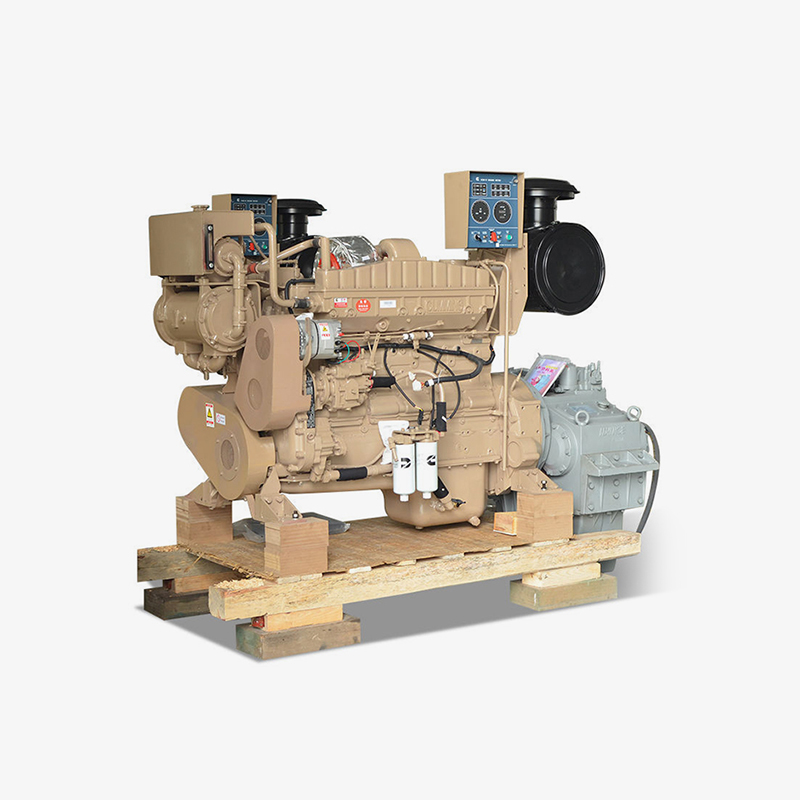
A true evaluation of a Cummins marine engine requires modeling fuel consumption against your specific cruising RPM, not just comparing peak horsepower.
Integration capabilities with existing vessel architecture and your broader marine power system are critical for minimizing installation downtime.
Applying an intermittent-rated engine to continuous-duty tasks causes rapid failure. High peak horsepower means nothing if the duty cycle mismatches your vessel. Operators often purchase high-output engines to achieve faster transit speeds. They then run these engines at maximum load continuously. This approach leads to catastrophic premature failure. You must align the engine rating with real-world operational demands.
Manufacturers categorize engines into strict duty cycles. These cycles govern how long an engine can operate at maximum throttle. We categorize them primarily into three tiers. Understanding these prevents costly repowering projects later.
Rating Type | Load Allowance | Ideal Vessel Applications |
|---|---|---|
Continuous Duty (CON) | Designed for 100% load for uninterrupted periods. | Heavy-displacement freighters, tugs, offshore supply vessels. |
Heavy Duty (HD) | Engineered for variable loads with high load factors. | Mid-water trawlers, crew boats, pushing vessels. |
Medium Continuous (MCD) / Intermittent | High speed bursts with lower annual operating hours. | Patrol boats, passenger ferries, light-duty customs vessels. |
You must calculate your decision metric before looking at spec sheets. First, determine your projected annual operating hours. Next, calculate your average load factor. Load factor is the ratio of average power used compared to maximum available power. Match these two figures against published rating definitions. If you spend 80% of your year at full throttle, you require a Continuous Duty rating.
Maximum horsepower often serves as a vanity metric. True vessel performance relies on torque. You must assess the engine torque curve at your intended cruising RPM. High low-end torque is strictly essential. Heavy-laden vessel engine applications rely on this torque to overcome initial water resistance. A flat torque curve ensures responsive maneuvering during severe weather.
Engine sizing also introduces strict physical constraints. Heavy cast-iron blocks provide incredible durability. They dampen vibration effectively. However, they significantly reduce your payload capacity. You must weigh the dimensional footprint against vessel design limits. Consider dry weight carefully. Overloading the stern alters the vessel's center of gravity.
Cooling systems play a critical role in performance sizing. You generally choose between two distinct architectures.
Keel-Cooled Systems: These use a closed loop. They introduce zero raw water into the engine block. We recommend them highly for debris-heavy water or shallow inland rivers.
Heat Exchanger Systems: These are lighter and more compact. They require a raw water intake. They suit blue-water applications perfectly.
Common Mistake: Operators often select heat exchangers to save weight. They then deploy the vessel in muddy, debris-filled rivers. Intake strainers clog rapidly. This leads to severe engine overheating. Always match your cooling system to the physical operating environment.
Regulatory frameworks dictate your engineering choices today. A marine propulsion engine must align with operating waters. Ignoring these mandates results in heavy fines and port bans. The regulatory baseline shifts constantly. You must future-proof your asset during the initial purchase.
Evaluate your current operating zones. US coastal waters strictly require EPA Tier 3 or Tier 4 compliance. International waters generally enforce IMO Tier II or Tier III standards. Assess where your vessel will operate five years from now. Upgrading emissions systems later costs exponentially more.
Meeting EPA Tier 4 and IMO Tier III typically requires aftertreatment. Manufacturers rely on Selective Catalytic Reduction (SCR). SCR introduces severe implementation risks for naval architects. The SCR reactor requires massive engine room space. You must also allocate space for Diesel Exhaust Fluid (DEF) tanks.
Map the engine room in 3D prior to purchase.
Allocate physical volume for the SCR catalyst block.
Design safe routing paths for DEF dosing lines.
Ensure adequate ventilation to manage higher ambient temperatures.
Consider alternative fuel readiness. Evaluate engine compatibility with Hydrotreated Vegetable Oil (HVO). HVO drops into existing diesel systems easily. It reduces carbon output significantly. Selecting an HVO-ready engine protects your asset against future carbon taxes.
Fuel represents your largest lifecycle expense. You must demand specific fuel consumption (SFC) maps from dealers. Never rely on generalized brochures. Compare the brake specific fuel consumption (BSFC) data directly. Look at the BSFC at your specific continuous operating speed. A highly efficient engine at peak RPM might perform poorly at your actual cruising speed.
Commercial offshore engine viability depends on absolute uptime. Unplanned docking destroys profitability. Evaluate the projected Time Between Overhauls (TBO). Manufacturers publish expected TBO data based on specific block configurations. A Heavy Duty rating usually features a longer TBO than an Intermittent rating.
A robust global support architecture matters immensely. The most advanced engine becomes useless if parts remain unavailable. Factor in the density of certified marine technicians globally. Map out parts availability in your primary ports of call.
Best Practice: Standardize your fleet's engine platforms. Using a unified brand across your fleet reduces spare parts inventory. Your crew learns one maintenance protocol. Diagnostics happen faster. This strategy severely cuts lifecycle maintenance expenditures.
An engine does not operate in isolation. It forms the heart of your vessel. Drivetrain compatibility requires rigorous engineering checks. Ensure the engine flywheel housing maps seamlessly to your selected marine gearboxes. Rotational dynamics must align perfectly. You must verify compatibility with fixed pitch or variable pitch propellers.
Consider your Power Take-Off (PTO) requirements early. A Cummins propulsion engine often drives more than just the propeller. Determine if you need auxiliary hydraulic pumps. Deck machinery, bow thrusters, and firefighting equipment demand serious mechanical power. Size your front PTO clutch to handle these parasitic loads without stalling the main drive.
Modern vessels rely heavily on digital monitoring. Seamless integration prevents catastrophic failures. Evaluate system compatibility with advanced diagnostic suites. C Command panels offer robust localized data. Third-party vessel monitoring systems utilize standard protocols. Verify NMEA 2000 or J1939 compatibility. Real-time diagnostics allow predictive maintenance. Your engineering crew can replace wearing components long before they fracture.
Procuring a reliable marine engine is an exercise in strict alignment. You must balance vessel duty cycles, physical constraints, and strict compliance mandates. Avoid making decisions based solely on peak horsepower figures. Always prioritize low-end torque, actual cruising speed efficiency, and localized dealer support.
Take immediate action on these next steps. First, define your expected annual operating hours. Second, shortlist two or three engine models based precisely on your required Marine Rating. Finally, request specific fuel maps and general arrangement installation drawings from a certified dealer. Validate all spatial assumptions before signing any procurement contracts.
A: Calculate your expected annual operating hours and the percentage of time spent at full throttle. Match these figures against published rating definitions. For example, Continuous Duty allows 100% load for unlimited hours. Intermittent ratings have strict time-at-load limits. Precision here prevents catastrophic failure.
A: Often, yes. Tier 4 compliance typically involves SCR aftertreatment systems. These components require substantial additional physical space. You must accommodate large catalysts and DEF storage tanks. Older Tier 2 or Tier 3 engines did not require this footprint.
A: Yes. Many modern engines integrate smoothly into diesel-electric or hybrid-mechanical architectures. They work perfectly in tandem with electric motors and large battery banks. This hybrid approach optimizes load management effectively. It also significantly reduces emissions during low-speed harbor transits.
A: A propulsion engine is specifically configured to drive the propeller and move the vessel. It handles variable loads. An auxiliary engine runs at a constant governed speed. It powers generators to supply the vessel's electrical marine power system continuously.