Newtec Power Equipment Co., Ltd.
English


Views: 0 Author: Site Editor Publish Time: 2025-10-17 Origin: Site
Ever wondered which generator suits your needs: diesel or gasoline? Choosing the right generator is crucial for efficiency and cost-effectiveness. In this post, you'll learn about diesel and gasoline generators, including their pros, cons, and uses. We'll explore top brands like Perkins, Volvo Penta, and Mitsubishi to help you make an informed decision.
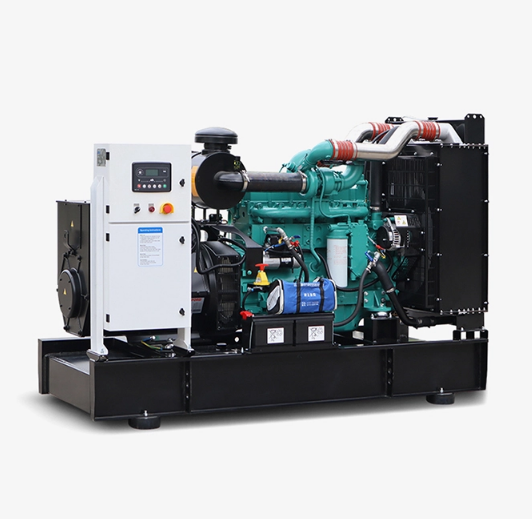
A diesel generator is a machine that produces electricity using a diesel engine. It works by compressing air inside the engine cylinder, which heats the air to a high temperature. Then, diesel fuel is injected into this hot air, causing it to ignite spontaneously. This combustion process powers the engine, which in turn drives the generator to produce electrical energy.
Unlike gasoline engines, diesel engines do not use spark plugs. Instead, they rely on the heat generated by compression to ignite the fuel. This makes diesel generators more robust and efficient in many cases.
Diesel generators are widely used in various settings due to their reliability and power. Here are some typical applications:
Industrial Sites: Factories and construction sites often use diesel generators as their primary or backup power source. They can handle heavy loads and run continuously for long periods.
Hospitals and Critical Facilities: These places require a steady and dependable power supply. Diesel generators provide emergency backup power during outages, ensuring vital equipment stays operational.
Remote Locations: In areas without access to the electrical grid, diesel generators serve as the main power source for homes, businesses, and communication towers.
Marine and Transportation: Diesel generators power ships and trains, providing both propulsion and onboard electricity.
Agriculture: Farms use diesel generators to run irrigation systems, machinery, and storage facilities.
Diesel generators are favored for their fuel efficiency, durability, and ability to deliver high torque, making them suitable for demanding environments.
Note: Diesel generators operate without spark plugs, reducing maintenance needs and increasing engine longevity compared to gasoline generators.
Diesel generators are popular because they offer several key benefits:
Fuel Efficiency: Diesel engines burn fuel more efficiently than gasoline engines. This means they use less fuel to produce the same amount of power, saving money over time, especially for heavy or continuous use.
Longevity: Diesel generators are built tough. Their engines last longer because they operate at lower RPMs and have fewer parts prone to wear, such as spark plugs. This durability makes them ideal for long-term, heavy-duty applications.
High Torque: Diesel engines produce strong torque at low speeds, which helps them handle heavy loads better than gasoline engines.
Lower Maintenance Costs: Diesel generators usually need less frequent maintenance. They don’t rely on spark plugs or carburetors, reducing the chance of common engine problems.
Safety: Diesel fuel is less flammable than gasoline, reducing fire risks during storage and operation. This makes diesel generators safer in many environments.
Despite their advantages, diesel generators have some drawbacks:
Higher Initial Cost: Diesel units generally cost more upfront. Their robust design and advanced engine technology make them pricier than gasoline generators.
Noise Levels: Diesel engines tend to be louder. Older models especially produce noticeable noise, which can be a concern in residential or noise-sensitive areas.
Emissions: Diesel generators emit more nitrogen oxides (NOx) and particulate matter. These pollutants contribute to air pollution and environmental concerns. Although newer models have improved emission controls, this remains a disadvantage compared to gasoline generators.
Size and Weight: Diesel generators are often larger and heavier. This can limit portability and make installation more challenging.
Note: Diesel generators require less frequent maintenance than gasoline models because they lack spark plugs and carburetors, which reduces downtime and service costs.
A gasoline generator is a device that produces electricity using a gasoline-powered engine. It works by mixing gasoline with air inside the engine’s cylinder, then igniting the mixture with a spark from a spark plug. This ignition causes a controlled explosion, which moves the engine’s pistons. The pistons turn a crankshaft connected to the generator’s alternator, producing electrical power.
Gasoline generators rely on spark ignition, unlike diesel generators that use compression ignition. The spark plug is essential for starting and maintaining the combustion process in gasoline engines. This design makes gasoline generators generally simpler and lighter but can require more frequent maintenance.
Gasoline generators are popular for many uses due to their portability and affordability. Typical applications include:
Home Backup Power: They provide temporary power during outages, keeping essential appliances running.
Recreational Activities: Ideal for camping, tailgating, and outdoor events where portable power is needed.
Small Business Operations: Useful for powering tools and equipment on job sites without access to the grid.
Light Construction Work: Suitable for small-scale construction tasks requiring moderate power.
Emergency Situations: Handy for quick deployment when power is lost unexpectedly.
Gasoline generators are favored for short-term, light to moderate power needs. Their compact size and ease of use make them convenient for situations where mobility matters.
However, gasoline generators generally consume more fuel and have shorter lifespans than diesel generators. They also require regular maintenance, including spark plug checks and carburetor cleaning, to keep running smoothly.
Gasoline generators are a popular choice for many users due to several benefits:
Affordability: Gasoline generators usually come with a lower upfront price compared to diesel models. This makes them accessible for people or businesses on a budget who need power for short-term or occasional use.
Portability: These generators tend to be lighter and more compact. Their smaller size means they’re easier to move around, making them ideal for camping, outdoor events, or temporary job sites.
Lower Noise Levels: Gasoline engines generally run quieter than diesel engines. This quieter operation suits residential areas or recreational activities where noise might be a concern.
Fuel Availability: Gasoline is widely available at most fuel stations, which means refueling is convenient and fast, especially in urban or suburban areas.
These advantages make gasoline generators a practical option for light to moderate power needs where portability and cost are primary concerns.
Despite their benefits, gasoline generators have some drawbacks:
Fuel Efficiency: Gasoline generators consume more fuel per hour than diesel generators. This higher fuel consumption can lead to increased operating costs over time, especially for continuous use.
Maintenance Requirements: Gasoline engines require more frequent maintenance. Components like spark plugs and carburetors need regular inspection and cleaning. Carburetor clogging or spark plug fouling can cause performance issues or engine failure if neglected.
Shorter Lifespan: Gasoline generators generally have a shorter operational life compared to diesel units. They are better suited for occasional or light-duty use rather than continuous heavy workloads.
Safety Concerns: Gasoline is highly flammable and evaporates quickly, increasing the risk of fire or explosion during storage and handling. Extra precautions are necessary to store gasoline safely.
Lower Torque and Power: Gasoline engines usually produce less torque than diesel engines, which can limit their use in heavy-duty applications requiring sustained power.
Diesel generators are known for their superior fuel efficiency. They produce more power per gallon of fuel compared to gasoline generators. This efficiency means lower fuel costs over time, especially for heavy or continuous use. Gasoline generators, however, burn fuel faster, leading to higher operating expenses if used frequently. Though gasoline units often cost less upfront, their fuel consumption can add up quickly.
Diesel engines deliver higher torque and more consistent power. This makes them ideal for demanding jobs requiring sustained energy, such as industrial sites or hospitals. Gasoline generators are better suited for lighter tasks or occasional use. While they provide adequate power for many needs, they usually can't match diesel's strength in heavy-duty applications.
Diesel generators require less frequent maintenance. They lack spark plugs and carburetors, which reduces common engine problems. Their robust design means fewer breakdowns and longer engine life. Gasoline generators, on the other hand, need regular upkeep. Spark plugs must be checked and replaced, and carburetors cleaned to prevent clogging. Neglecting these can lead to costly repairs and downtime.
Diesel engines tend to be louder due to their combustion process and engine build. This noise can be disruptive in residential or noise-sensitive areas. Gasoline generators are generally quieter, making them more suitable for recreational or home use. Regarding emissions, diesel generators produce more nitrogen oxides and particulates, contributing to pollution concerns. Gasoline generators emit less particulate matter but can release higher carbon monoxide levels. Newer diesel models have improved emission controls, yet environmental impact remains a consideration.
Selecting the best generator depends on several key factors. First, consider your budget. Diesel generators usually have a higher upfront price but lower fuel and maintenance costs over time. Gasoline generators cost less initially but may lead to higher fuel and upkeep expenses.
Next, think about usage patterns. For continuous, heavy-duty power needs like industrial sites or hospitals, diesel generators offer reliability and fuel efficiency. For occasional or portable use, such as camping or home backup, gasoline generators are often more practical due to portability and lower noise.
The environment where the generator will operate also matters. Diesel generators are noisier and produce more emissions, which might be problematic in residential or environmentally sensitive areas. Gasoline generators are quieter but require careful fuel storage due to gasoline’s flammability.
Other considerations include space and weight. Diesel generators are bulkier and heavier, which can affect installation and mobility. Gasoline units are lighter and easier to transport.
When choosing a generator, brand reputation and support are important. Here are some trusted manufacturers known for quality diesel and gasoline generators:
Perkins: Renowned for durable diesel engines with excellent fuel efficiency.
Volvo Penta: Offers reliable, high-performance diesel generators suited for industrial use.
MTU: Specializes in heavy-duty diesel generators with advanced technology.
Mitsubishi: Provides a range of gasoline and diesel generators known for efficiency and innovation.
Hyundai: Known for affordable, reliable gasoline and diesel generators ideal for various applications.
Isuzu: Offers robust diesel engines with a focus on longevity and low emissions.
Kubota: Popular for compact diesel generators with strong performance and durability.
Weichai: A leading manufacturer of diesel engines, offering cost-effective solutions with solid reliability.
Choosing a reputable brand ensures access to quality parts, service networks, and warranty support, which are crucial for long-term operation.
Tip: Assess your power needs, budget, and environment carefully, then select a reputable brand that offers the right balance of reliability, efficiency, and support for your specific application.
Diesel generators offer fuel efficiency, durability, and high torque, ideal for heavy-duty applications. Gasoline generators excel in affordability and portability, suitable for lighter tasks. Consider cost, usage patterns, and environmental impact when choosing. Newtec Power Equipment Co., Ltd. provides quality generators, ensuring reliability and efficiency for diverse needs. Their products offer robust performance and long-term value, supported by excellent service.
A: Diesel generators, such as Perkins or Volvo Penta, offer superior fuel efficiency, longevity, and lower maintenance costs compared to gasoline generators. They're ideal for heavy-duty applications.
A: Diesel generators, like MTU or Mitsubishi, provide reliable power with less frequent maintenance, making them suitable for industrial and continuous use, unlike gasoline models.
A: Diesel generators, including Hyundai and Isuzu, are generally louder and emit more particulates than gasoline generators, but newer models have improved emission controls.
A: Popular brands include Perkins, Volvo Penta, MTU, Mitsubishi, Hyundai, Isuzu, Kubota, and Weichai, known for their reliability and efficiency in diesel generators.


