Newtec Power Equipment Co., Ltd.
English


Views: 0 Author: Site Editor Publish Time: 2026-06-17 Origin: Site
Power continuity in critical healthcare settings determines patient survival. When grid infrastructure fails, emergency power systems become the ultimate lifeline. Operating theaters and intensive care units cannot tolerate even momentary blackouts. Procurement teams face immense pressure to secure reliable, compliant equipment without over-specifying unnecessary features. Navigating vendor marketing claims often complicates this urgent task. You need a clear, objective path forward.
This guide strips away industry jargon to provide a strict, evidence-based evaluation framework. You will discover exactly how to assess these complex systems for demanding healthcare environments. We outline critical acoustic standards, essential load-matching strategies, and vital authentication steps. You will learn how to verify equipment origin and secure absolute readiness for your facility.
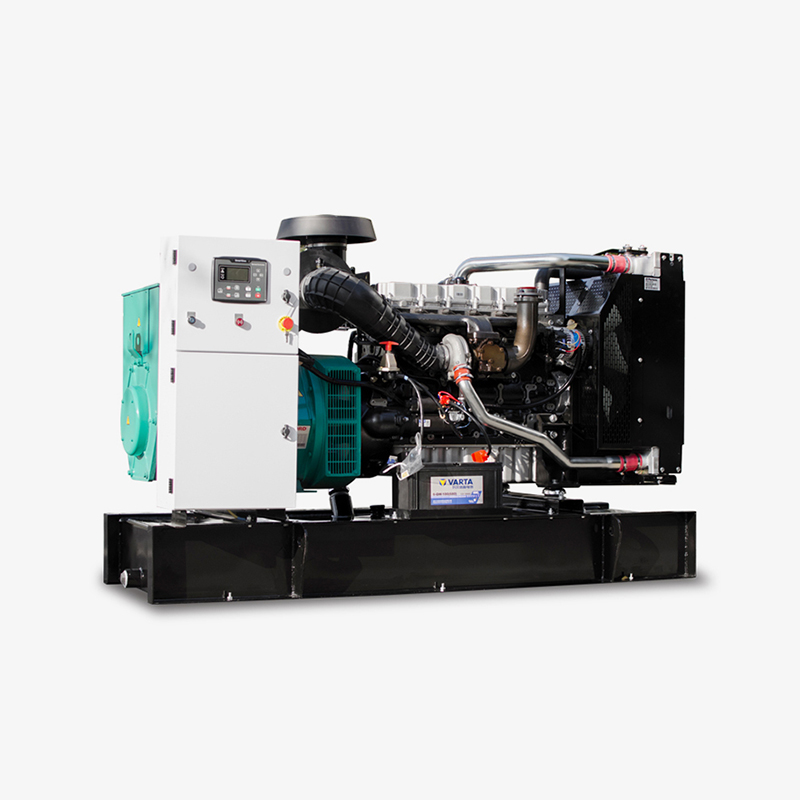
A genuine Perkins diesel generator offers a documented track record for critical medical infrastructure, provided it is properly sized within the 25-1500kVA generator range.
Hospital-grade procurement requires strict verification of emissions, ATS (Automatic Transfer Switch) integration, and acoustic enclosure standards.
Counterfeit engines are a severe risk in global supply chains; authenticating the engine serial number and buying through authorized OEM partners is non-negotiable.
Medical environments enforce a strict zero-tolerance policy for power downtime. Life support machines, surgical equipment, and specialized intensive care monitors require continuous, stable electricity. Even a momentary voltage drop disrupts critical procedures and resets sensitive life-saving apparatus. You cannot compromise on reliability when patient lives depend directly on electrical continuity. Every component inside your emergency power system must guarantee absolute certainty under pressure.
Engineers frequently shortlist Perkins engines for high-stakes healthcare applications. These engines offer exceptional historical reliability and superior cold-start capabilities. A genuine Perkins diesel generator provides highly stable voltage output during sudden load changes. This transient response stability protects sensitive medical devices from damaging electrical surges. When large mechanical loads like hospital chillers or elevators activate, the engine block absorbs the impact without faltering.
Healthcare facilities vary significantly in physical size and operational power demands. Proper load matching guarantees optimal performance and prevents engine damage. The 25-1500kVA generator range perfectly accommodates this vast diversity. Smaller capacities easily power single rural clinics, diagnostic centers, or specialized outpatient facilities. Meanwhile, electrical engineers routinely synchronize multiple larger units to sustain massive hospital complexes during extended grid failures. Accurate sizing prevents the severe operational issues associated with under-loading or over-loading the prime mover.
Local noise compliance deeply impacts hospital environments. Standard industrial enclosures almost always fail rigorous healthcare acoustic audits. Patient recovery requires minimal ambient noise, and local zoning laws heavily restrict decibel emissions near residential healthcare zones. You must specify hospital-grade acoustic enclosures. These specialized housings effectively dampen low-frequency engine vibrations using high-density fire-retardant foam, custom air attenuation baffles, and critical-grade exhaust silencers.
Enclosure Feature | Standard Industrial | Hospital-Grade Compliance |
|---|---|---|
Exhaust Silencer | Industrial Grade (15-20 dBA reduction) | Critical/Hospital Grade (30-40 dBA reduction) |
Acoustic Insulation | Basic rockwool padding | High-density composite, fire-retardant |
Vibration Isolation | Standard rubber mounts | Spring isolators, seismic-rated dampening |
Rapid startup determines survival in medical emergencies. Regulatory frameworks like NFPA 110 (Type 10) demand power restoration within exactly 10 seconds. Your standby genset requires seamless Automatic Transfer Switch (ATS) integration to achieve this metric. The ATS must handshake flawlessly with the engine controller. This digital communication guarantees instantaneous switchover the moment utility power drops below acceptable parameters.
Evaluate your fuel tank sizing against local emergency management protocols. Sub-base fuel tanks typically provide 24, 48, or 72 hours of continuous runtime. Choose capacity based on historical grid stability and refuelling logistics during natural disasters. However, you must mitigate fuel degradation risks. Storing large volumes of diesel for extended periods invites microbial growth. We recommend integrating automated fuel polishing systems to maintain fuel purity year-round.
Environmental regulations dictate hospital zoning laws worldwide. You must select the correct emissions tier rating for your specific geographic region. Many urban hospitals face strict air quality mandates enforcing Tier 4 Final or Stage V emissions standards. Ensure your equipment integrates necessary exhaust aftertreatment systems, such as Diesel Particulate Filters (DPF) or Selective Catalytic Reduction (SCR), to remain fully legally compliant.
Global B2B supply chains suffer from dangerous vulnerabilities. Counterfeit or rebuilt "grey market" equipment frequently infiltrates the heavy machinery market. Installing a fake or improperly refurbished emergency diesel generator puts lives at immediate risk. These unauthorized units routinely suffer catastrophic failure under sudden heavy loads. You must navigate this complex procurement landscape with extreme caution and demanding verification processes.
Verification protects your facility from fatal equipment failures. You must implement a rigid inspection process before accepting delivery.
Inspect the Physical Nameplate: Check the engine data plate for high-quality stamping, correct fonts, and official logo placement. Counterfeits often use cheap stickers or poorly etched metal.
Cross-Reference the Serial Number: Take the stamped engine serial number and verify it directly through official OEM registries. A valid number confirms the exact build date and original factory specifications.
Examine Paint and Castings: Authentic engines feature flawless factory paint and smooth block castings. Rough metalwork often indicates a grey market rebuild.
Evaluate your suppliers ruthlessly. Demand documented proof of official OEM partnerships. Investigate their operational history regarding medical-sector deployments. A trustworthy vendor providing a genuine Perkins generator will offer fully transparent documentation, comprehensive warranty backing, and verifiable references from other healthcare institutions.
Rigorous on-site load bank commissioning remains absolutely mandatory for healthcare environments. Never accept equipment delivery without this physical verification. Load bank testing proves the system handles its fully rated capacity without overheating or dropping voltage. Technicians will run the engine at 25%, 50%, 75%, and 100% capacity. This process seats the piston rings properly and prevents future wet-stacking issues.
Hospital retrofits introduce complex logistical hurdles. You must address structural weight limits meticulously before placing heavy equipment on roofs. Facility engineers must calculate dynamic vibration loads, not just static weight. Existing building structures complicate exhaust routing and air intake requirements. Poor ventilation severely degrades engine cooling efficiency. Proper spatial planning ensures a safe, fully compliant hospital backup power installation.
Regular, specialized upkeep guarantees absolute readiness. You must follow official manufacturer maintenance schedules strictly. Track both running hours and calendar months simultaneously. Certain critical components, like rubber hoses and starter batteries, require replacement based on age regardless of usage hours. Maintaining a 100% readiness state demands rigorous preventative care schedules, fluid analysis, and immediate availability of authentic OEM replacement parts.
Do not simply replace old capacity one-for-one. Modern medical equipment possesses vastly different electrical characteristics compared to older technology. Facility expansions inevitably alter your power draw. Always start the procurement process with an independent electrical load study. This comprehensive study reveals your true baseline requirements, captures peak transient loads, and dictates the precise alternator sizing needed today.
Structure your proposal requests carefully to filter out unqualified suppliers. Demand exact, legally binding specifications from potential partners in your initial RFQ.
Guaranteed emergency response times for on-site servicing.
Strict proof of origin for all major engine and alternator components.
Customized acoustic ratings explicitly matching local hospital noise ordinances.
Detailed compliance certificates for local environmental emissions laws.
Factory acceptance test (FAT) documentation prior to shipping.
Move beyond theoretical quotes and PDF brochures. Advise your procurement team to book a comprehensive technical site consultation with a verified, authorized dealer. An experienced field engineer will finalize sizing calculations, confirm physical installation constraints, and map out exhaust routing. This critical site visit eliminates dangerous assumptions before you finalize the purchase order.
Procuring emergency power infrastructure for a medical facility requires unrelenting attention to detail. Buying recognized, premium equipment represents a safe, authoritative choice only if your procurement process actively filters out counterfeits. You must demand strict adherence to healthcare-grade acoustic, emissions, and responsiveness specifications. The ultimate value of a hospital generator is measured in absolute, unquestionable reliability during a worst-case scenario.
Action-Oriented Next Steps:
Commission an updated electrical load study for your entire facility.
Draft an RFQ demanding explicit proof of OEM authenticity and NFPA 110 compliance.
Schedule an on-site structural and ventilation assessment with a certified installer.
A: A well-maintained unit can run continuously for days or even weeks during extended outages. The primary limiting factor is fuel capacity, not engine durability. Sub-base tanks typically hold 24 to 72 hours of fuel. For indefinite running, hospitals implement strict refuelling contracts and utilize automated fuel transfer systems from larger auxiliary storage tanks.
A: A typical 100-bed hospital usually requires between 600kVA and 1000kVA, depending heavily on internal services. Facilities housing extensive imaging equipment (MRI/CT), massive HVAC chillers, and large surgical wings draw significantly more power. You must conduct a customized electrical audit to capture peak transient loads before finalizing any capacity decisions.
A: Demand clear, high-resolution photographs of the engine nameplate from the supplier. Cross-reference the unique engine serial number directly with official manufacturer registries or regional authorized distributors. Furthermore, only purchase equipment through verified OEM partners who provide comprehensive, transparent factory documentation and valid certificates of origin.
A: Healthcare facilities adhere to rigorous compliance schedules. Technicians conduct weekly no-load inspections to verify battery health and fluid levels. They perform monthly load bank testing (often at 30% capacity or higher) to prevent wet-stacking and ensure ATS functionality. Finally, certified engineers execute a comprehensive annual shutdown service to replace vital filters, fluids, and wear components.