Newtec Power Equipment Co., Ltd.
English


Views: 0 Author: Site Editor Publish Time: 2025-12-31 Origin: Site
A power generator is an essential tool when you need reliable electricity, and an inverter power generator takes it a step further by delivering clean, stable, and safe energy for modern devices. Unlike conventional generators, it converts AC to DC and back to refined AC power, protecting laptops, medical equipment, and home electronics. In this guide, we’ll explore what an inverter generator is, how it works, and why it’s ideal for home backup, outdoor adventures, RV trips, and small business use, helping you choose the right model for your needs.
An inverter power generator is a modern type of portable generator designed to produce electricity that is clean, stable, and safe for everyday electronics. It generates AC power like a traditional generator, then converts it into DC power, and finally changes it back into a refined AC output using electronic control circuits.
This extra conversion step allows it to deliver smoother electricity, fewer voltage swings, and lower electrical noise. As a result, it’s far more suitable for today’s devices than older generator designs.
A conventional generator sends raw AC power straight from the alternator to your devices. The voltage and frequency can fluctuate, especially when loads change suddenly.
An inverter power generator works differently.
It processes electricity before sending it out
It maintains a steady voltage and frequency
It produces a near–pure sine wave
That difference matters when powering laptops, smart TVs, routers, or medical equipment. Traditional generators may work fine for tools and lights, but they can stress sensitive electronics.
| Feature | Conventional Generator | Inverter Power Generator |
|---|---|---|
| Power quality | Variable, less stable | Clean and consistent |
| Fuel efficiency | Fixed engine speed | Adjusts to demand |
| Noise level | Loud | Much quieter |
| Electronics safety | Limited | Designed for sensitive devices |
An inverter power generator produces usable electricity by converting fuel into electrical power, supplying AC output suitable for common household appliances and devices. It stabilises voltage and frequency, keeping the power steady even when loads change, which prevents sudden spikes or drops that could affect performance.
Additionally, it protects sensitive electronics by reducing harmonic distortion, helping to avoid data loss, hardware damage, or other issues caused by unstable electricity. That combination explains why many people choose inverter power generators over traditional models, especially for modern lifestyles.
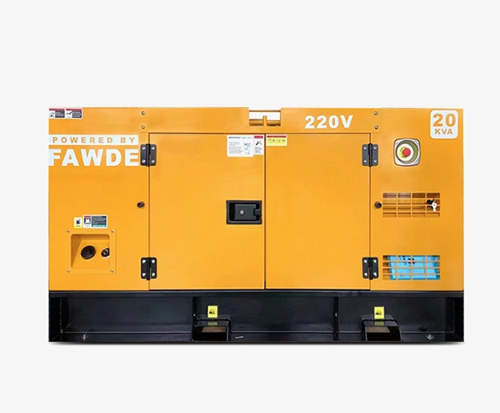
An inverter power generator creates electricity in a smarter, more controlled way.
It follows the same basic idea as a regular generator, but adds extra steps to clean the power.
Here’s how an inverter power generator works, explained simply.
Fuel powers the engine
Petrol, propane, or diesel burns inside the engine. This combustion makes the engine spin.
The alternator produces raw AC power
The spinning engine turns the alternator. At this stage, the electricity is unstable and inconsistent.
AC power converts to DC power
The generator sends raw AC power to a rectifier. It changes the electricity into direct current.
The inverter creates clean AC power
The inverter converts DC back into AC. The output becomes smooth, stable, and device-friendly.
Inverter power generators show up in many everyday and professional situations. People choose them when they need quiet operation, stable electricity, and portable power. We often see them used at home, outdoors, and on small worksites where clean energy matters.
Many homeowners use inverter power generators as a backup during short outages. They focus on essentials rather than the entire house. They can power key appliances such as refrigerators, freezers, fans, lights, and Wi-Fi routers. It keeps daily life running when the grid goes down.
Medical devices and home electronics also rely on stable electricity. Inverter generators supply low-distortion power, making them safer for CPAP machines, computers, TVs, and smart home systems. Whole-house backup has limits. Most inverter power generators lack the output needed for central air conditioners, electric water heaters, or large HVAC systems. People often pair them with transfer switches or selective circuits.
Outdoor users are one of the biggest fans of inverter power generators. Quiet performance makes a real difference. They run at lower noise levels, helping campers meet campsite rules and avoid disturbing others. It feels closer to nature, not a construction site. Portable power supports lighting, cooking devices, small coolers, and electronics. Phones, cameras, drones, and speakers stay charged longer. They also fit well in boats, RVs, and off-grid travel setups. Compact size and lighter weight make transport easier during long trips.
Small businesses often depend on inverter power generators for flexibility. They provide reliable energy when fixed power is unavailable. During outages, they keep computers, POS systems, and communication tools running. It helps avoid downtime and lost revenue.
Mobile worksites use them for tools, testing equipment, and charging stations. Contractors, technicians, and event crews rely on clean power in changing locations. They work well for on-site and remote jobs. From food trucks to pop-up shops, inverter generators deliver stable electricity without excessive noise.
Typical business uses
| Application Area | Common Equipment Powered |
|---|---|
| Retail and food trucks | POS systems, lights, fridges |
| Field services | Laptops, diagnostic tools, chargers |
| Events and media | Audio gear, cameras, monitors |
| Remote offices | Routers, printers, workstations |
Choosing an inverter power generator starts simple. We look at power needs, fuel options, noise limits, and how people plan to use it. The right match saves fuel, money, and frustration.
Every generator decision begins at wattage. Appliances use electricity in two different ways. Running watts describe the power an appliance needs once it operates normally. Starting watts appear for a short moment when motors start. It happens on fridges, pumps, and power tools. Surge capacity matters because inverter power generators must handle these short spikes. If the surge exceeds capacity, it shuts down or stalls.
Common appliance wattage examples
| Appliance | Running Watts | Starting Watts |
|---|---|---|
| Refrigerator | 600 | 1,200 |
| Microwave | 1,000 | 1,500 |
| Laptop + router | 200 | 200 |
| Power drill | 700 | 1,400 |
| LED lighting (room) | 100 | 100 |
Size affects portability, price, and fuel use. Bigger does not always mean better. Small inverter generators work well for charging devices, lights, and light camping use. They usually stay under 2,000 watts. Medium units cover home essentials and outdoor cooking equipment. People often choose them for caravans or backup power. Large inverter generators handle heavier loads. They suit small businesses or extended outages, though weight increases.
| Size Category | Wattage Range | Common Uses |
|---|---|---|
| Small | 1,000–2,000 W | Camping, phones, laptops |
| Medium | 2,000–4,000 W | Home backup, RVs |
| Large | 4,000+ W | Business tools, extended backup |
Fuel choice affects runtime, storage, and operating cost. Petrol generators start easily and deliver strong power. Fuel storage becomes an issue during long outages. Propane runs cleaner and stores longer. Cold weather performance may drop slightly. Dual-fuel inverter power generators offer flexibility. They switch fuels when one source runs out.
| Fuel Type | Pros | Cons |
|---|---|---|
| Petrol | High power, easy to find | Short shelf life |
| Propane | Clean, long storage | Slight power reduction |
| Dual | Flexible, reliable | Higher upfront cost |
Noise matters more than many expect. Campsites and neighborhoods often set limits. Inverter power generators usually run quieter at low loads. Eco modes help reduce sound and fuel use. Emissions also matter. Cleaner burn engines support local rules and reduce environmental impact. Many users prefer inverter units for this reason.
Parallel operation connects two inverter generators using special cables. They work together as one system. People consider it when they want more power without buying a large unit. It keeps portability while adding flexibility. Parallel setups work well for RVs, events, or expanding power needs over time.
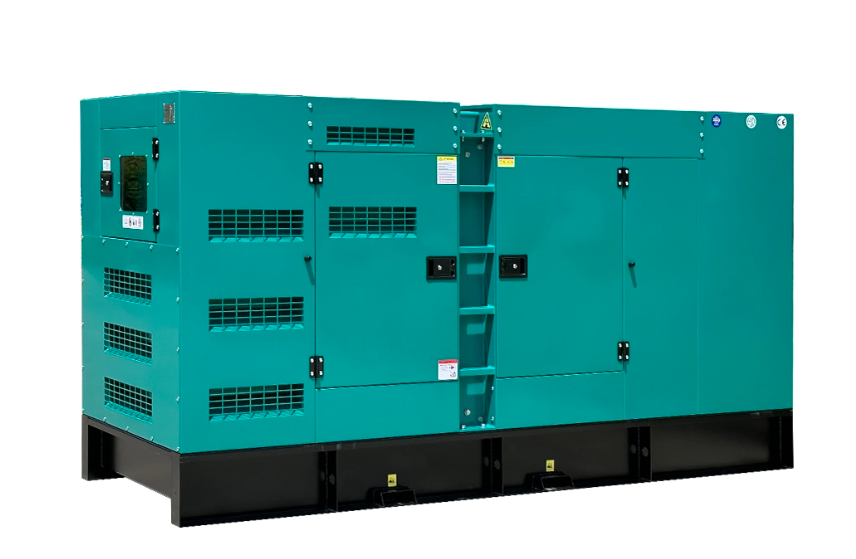
Proper care keeps an inverter power generator running efficiently and extends its lifespan. Regular maintenance prevents unexpected breakdowns and ensures clean, stable power for your devices.
Check oil levels before each use. Replace oil every 50–100 hours depending on model.
Clean or replace air filters regularly to avoid engine strain.
Inspect spark plugs periodically for wear and replace if needed.
Keep generator surfaces free from dust, dirt, and debris.
Use fresh fuel; old gasoline can cause engine problems.
Store fuel in airtight, approved containers away from heat sources.
For longer storage, add fuel stabilizers to prevent degradation.
Drain the fuel tank if the generator won’t be used for weeks.
Charge batteries periodically to maintain capacity.
Keep battery terminals clean and corrosion-free.
Avoid exposing the inverter electronics to moisture or extreme temperatures.
Store the unit in a cool, dry place when not in use.
| Task | Frequency | Notes |
|---|---|---|
| Oil change | Every 50–100 hrs | Use manufacturer-recommended oil |
| Air filter cleaning/replacement | Monthly or 25 hrs | More often in dusty conditions |
| Spark plug inspection | Every 100 hrs | Replace if worn or dirty |
| Battery charge | Monthly | Avoid complete discharge |
| Fuel inspection | Before each use | Stabilize or replace old fuel |
An inverter power generator is a portable generator that converts fuel into clean, stable AC electricity through DC conversion, making it safe for sensitive electronics.
No, inverter generators produce carbon monoxide from fuel combustion and must always be used outdoors in a well-ventilated area.
It can run household essentials like refrigerators, laptops, lights, fans, and small medical devices, depending on its wattage capacity.
You should check running and starting watts of your appliances, consider surge capacity, and select a small, medium, or large generator based on your power needs.
Yes, they are much quieter than conventional generators, especially at partial loads, making them suitable for camping, RVs, and residential areas.
Inverter power generators bring reliable, clean electricity wherever you need it, from home backup to outdoor adventures. They adjust engine speed to match power demand, keep voltage steady, and protect sensitive devices from surges or distortion. This makes them perfect for modern electronics, campers, and small businesses alike.
Newtec Power Equipment Co., Ltd. offers a range of inverter generators designed for efficiency, quiet operation, and durability. Whether you’re powering essentials during an outage or enjoying off-grid activities, their units deliver flexible, safe, and user-friendly energy solutions you can count on.


