Newtec Power Equipment Co., Ltd.
English


Views: 0 Author: Site Editor Publish Time: 2026-01-06 Origin: Site
A power generator is essential for life at sea, and a marine generator ensures ships, boats, and offshore platforms stay powered. Unlike land-based units, marine generators provide reliable electricity for lighting, navigation, HVAC, communication, and machinery under harsh maritime conditions. They combine diesel or gasoline engines with alternators, corrosion-resistant materials, and seawater cooling to deliver continuous, safe, and efficient power. Whether for fishing vessels, yachts, or cargo ships, understanding how a marine generator works helps operators choose the right system for safety and comfort.
A Power Generator on a ship, boat, or offshore platform is an essential machine that supplies electricity to nearly all onboard systems. A marine generator converts fuel into electrical power, usually using diesel or gasoline engines paired with an alternator. Simply put, a marine Power Generator is designed for life at sea. Its main purpose is to provide reliable electricity when main engines are off or shore power is unavailable, allowing crew and passengers to operate systems safely and comfortably.
Reliability is crucial. A generator failure can disable navigation systems, communication devices, refrigeration, or lighting. On work vessels, failure may halt machinery, affecting productivity. For recreational boats, it ensures comfort during trips and emergencies.
Marine generators are built for harsh marine conditions. Saltwater, humidity, and constant motion demand corrosion-resistant materials. They are compact to fit tight engine rooms and often use seawater or heat-exchanger cooling systems. Noise and vibration control are critical. Unlike land generators, they must meet maritime safety and environmental standards.
| Feature | Marine Generator | Land Generator |
|---|---|---|
| Corrosion Resistance | High, saltwater-proof materials | Standard steel or aluminum |
| Cooling System | Seawater or heat exchanger | Air or liquid cooling |
| Space Requirements | Compact, fits small engine rooms | Larger footprint |
| Vibration & Noise Control | Essential for crew comfort | Less critical |
| Compliance | IMO, ABS, BV, DNV certified | OSHA or local standards |
They run quietly compared to industrial units.
They are tuned for continuous operation in motion.
Fuel type usually matches the vessel’s main engines.
Marine generators make life on water safe, efficient, and comfortable. They are designed to handle motion, moisture, and long periods of continuous use.
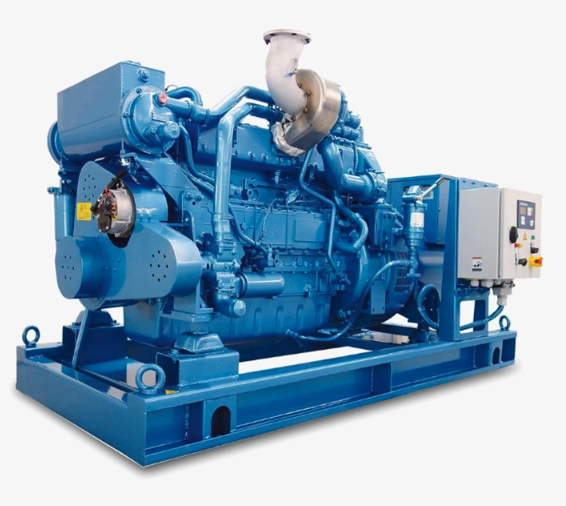
A marine generator is more than a simple engine. It combines several components to turn fuel into reliable electricity for ships, boats, and offshore platforms.
Diesel or Gasoline Engine: Provides the mechanical energy to drive the generator. They are chosen based on vessel size and fuel type.
Alternator: Converts engine motion into electrical current for onboard systems.
Cooling System: Uses seawater or heat exchangers to prevent overheating in tight, moving spaces.
Fuel System: Connects to the engine’s fuel line, ensuring steady fuel flow without a separate tank.
Control Panel and Monitoring Systems: Allows operators to start, stop, and monitor the generator safely.
Voltage Regulator and Governor: Maintains stable voltage and frequency even under fluctuating loads.
| Component | Function |
|---|---|
| Engine | Converts fuel energy into mechanical motion |
| Alternator | Produces electricity |
| Cooling System | Prevents overheating, seawater or heat exchanger |
| Fuel System | Delivers fuel efficiently |
| Control Panel | Monitors and operates the generator |
| Voltage Regulator & Governor | Keeps voltage/frequency steady |
Fuel Conversion: Diesel or gasoline burns inside the engine, generating mechanical energy.
Mechanical to Electrical Energy: The alternator rotates, producing electrical current.
Power Distribution: Electricity is sent to lights, navigation systems, communication devices, and other onboard equipment.
Safety & Monitoring: Sensors and controllers track temperature, voltage, and engine load to prevent failures.
Marine generators come in several types, each serving specific purposes onboard. Understanding their differences helps choose the right system for your vessel.
Main generators act as the primary source of power for a vessel. They provide electricity for all essential and auxiliary systems on board, including lighting, HVAC, navigation, and communication equipment. These generators are built for continuous operation, ensuring they can handle the vessel’s daily electrical demands efficiently. Cargo ships, ferries, yachts, and offshore platforms depend on main generators to maintain stable and reliable power for smooth operations throughout their journeys.
Emergency Power Generators act as a backup source for critical onboard systems. They automatically start if the main generator fails, supplying electricity to essential equipment such as navigation instruments, emergency lighting, and communication devices. By activating during unexpected power loss, these marine Power Generators help maintain safety for crew and passengers, ensuring that vital operations continue without interruption even in challenging sea conditions.
Shaft generators are driven by the vessel’s main propulsion engine, converting mechanical energy from the engine into electrical power. They operate while the ship is underway, producing electricity without consuming additional fuel from a dedicated generator engine. This setup improves overall fuel efficiency and reduces operational costs. Shaft generators are commonly installed on large commercial vessels and cruise ships, where continuous power is needed during transit, combining propulsion and electricity generation in a single system.
| Generator Type | Power Source | Main Use | Advantages |
|---|---|---|---|
| Main Generator | Dedicated engine | Daily vessel operations | Continuous, reliable power |
| Emergency Generator | Standby engine | Backup for critical systems | Safety, automatic start |
| Shaft Generator | Propulsion engine | Power while cruising | Fuel efficiency, cost savings |
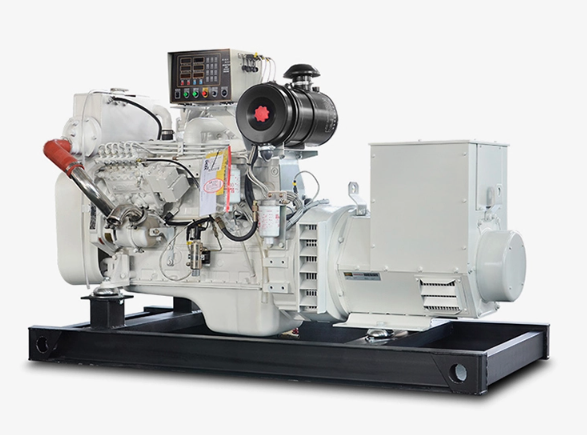
Marine generators power a wide range of vessels and offshore operations. They provide reliable electricity for both essential and comfort systems at sea.
Fishing Vessels: They supply power for deck lights, radar systems, and fish processing equipment. Efficient generators allow crews to operate safely during night fishing or long trips.
Cargo Ships: Marine generators keep refrigeration units running, maintain navigation equipment, and power communication systems. They ensure cargo integrity and vessel safety during long voyages.
Passenger Ferries: These generators provide electricity for HVAC systems, interior and deck lighting, and onboard communication. Comfort and safety are critical for passengers on short or long routes.
Oil Tankers: Generators on tankers are often designed with explosion-proof features. They power pumps, monitoring systems, and essential navigation equipment in hazardous environments.
Yachts: Luxury yachts use generators for silent operation. They run entertainment systems, climate control, lighting, and other comfort amenities without disturbing passengers.
Offshore Platforms: Large platforms rely on marine generators for continuous power. They operate machinery, lighting, living quarters, and safety systems for crew working extended periods at sea.
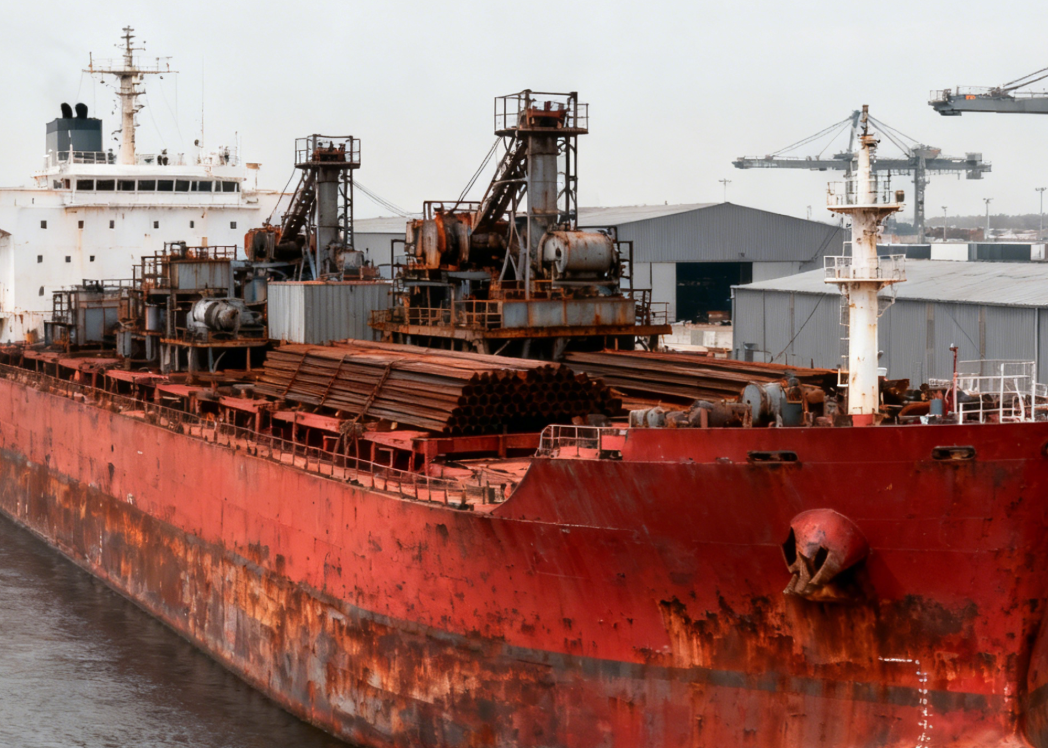
Marine generators offer many benefits for vessels, improving efficiency, safety, and overall operation at sea.
Reliable Power Supply: They provide consistent electricity even in remote or rough sea conditions. Crew can depend on them to run navigation, lighting, communication, and onboard machinery without interruption.
Reduced Main Engine Usage and Fuel Savings: By handling electrical loads, they reduce strain on the vessel’s main engines. This saves fuel, lowers operational costs, and extends engine life.
Compact Design Saves Space: Generators are built to fit tight engine rooms. Their compact footprint allows more room for other systems or cargo.
Enhanced Safety and Redundancy: Many marine generators include backup features or automatic start systems. They protect critical equipment during failures, ensuring continuous operation for navigation and emergency systems.
Compliance with Environmental and Maritime Standards: Modern units meet international regulations for emissions and safety, including IMO, ABS, BV, or DNV standards. This ensures environmentally responsible and legally compliant operation.
Choosing the right marine generator ensures safe, efficient, and cost-effective power for any vessel. Consider power needs, redundancy, and long-term operation.
Before selecting a generator, calculate your vessel’s total electrical demand. Include lights, HVAC, navigation, communication systems, and propulsion if necessary. Experts recommend a 10% power reserve to handle peak loads or unexpected demands. This prevents overloading and keeps the generator running efficiently.
Having multiple generators increases safety. If one unit fails, others maintain electricity for critical systems. Redundant generators allow maintenance without interrupting vessel operations, protecting navigation, lighting, and onboard machinery during long voyages.
Marine Power Generators operate most efficiently near their rated capacity. It’s important to choose durable engines designed for continuous use at sea. Considering local Power Generator manufacturers can provide cost-effective solutions, faster delivery, and easier access to spare parts, while international brands may offer specialized features or certifications for advanced vessel requirements.
| Factor | Recommendation |
|---|---|
| Power Needs | Include all systems + 10% reserve |
| Number of Units | At least 2 for redundancy |
| Efficiency | Operate near rated capacity |
| Engine Durability | Designed for continuous marine operation |
A marine generator is a power-generating device designed for ships, boats, and offshore platforms. It converts fuel into electricity to supply onboard systems when main engines or shore power are unavailable.
Marine generators are built for harsh sea conditions. They use corrosion-resistant materials, compact designs, seawater or heat-exchanger cooling, and meet maritime safety and environmental standards, unlike land-based units.
The main types are main generators, which provide daily power; emergency generators, which supply backup during failures; and shaft generators, which produce electricity from the vessel’s propulsion engine while underway.
They supply electricity to lights, HVAC, navigation, communication systems, refrigeration, pumps, entertainment systems, and machinery depending on the vessel type and onboard needs.
Redundancy ensures that critical systems remain operational even if one generator fails. Multiple units allow maintenance without disrupting electricity supply, enhancing safety for crew and passengers.
Marine generators are more than just engines—they’re the heartbeat of any vessel. From yachts to offshore platforms, they keep lighting, navigation, HVAC, and critical systems running smoothly, even in rough seas. Choosing the right generator means balancing power needs, efficiency, and reliability for safe, uninterrupted operations.
At Newtec Power Equipment Co., Ltd., we provide high-quality marine generators designed for durability, fuel efficiency, and compact installation. Our solutions help operators stay powered, safe, and confident on every voyage.


